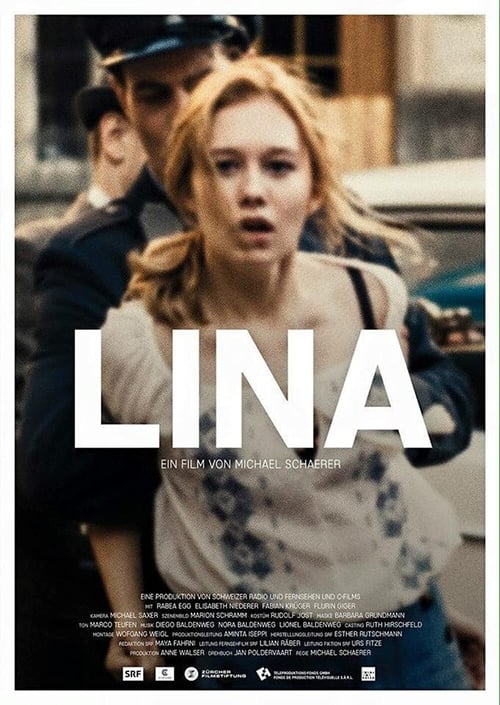
Lina
2016
No user ratings available yet
Representation score: 6.5 out of 10
Representation Score
Fair
2020
Director
Petra Seeger
Average Rating
No ratings yetNew Showbiz Analysis
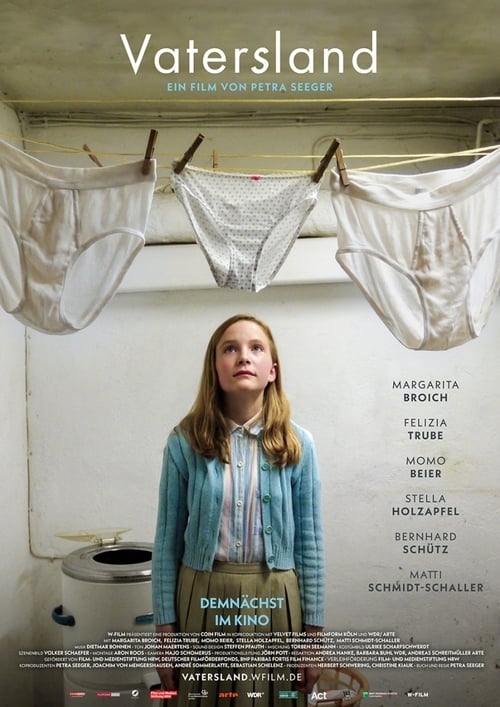
Vatersland is a character-driven period drama that excels in its critique of patriarchal and religious structures. By centering on Marie's rebellion against her conservative father and the rigid expectations of post-war Germany, the film offers a potent exploration of female empowerment and institutional oppression. However, the film's impact is limited by its historical setting. The focus on bourgeois German society results in a lack of racial and ethnic diversity, and there is no explicit representation of LGBTQ+ identities or disability. Ultimately, the film succeeds as a deconstruction of traditional social hierarchies, even if it remains confined to a relatively homogeneous cultural landscape.
Category Breakdown
The film does not explicitly depict LGBTQ+ identities or same-sex intimacy. However, the protagonist's rebellion against social norms hints at a thematic interest in non-conformity.
Marie's struggle against patriarchal authority highlights a strong subversion of traditional gender hierarchies. The narrative emphasizes the tension between female empowerment and the era's demand for passive femininity.
Set in post-war bourgeois Germany, the film reflects a historically homogeneous social structure. There is no evidence of diverse casting or non-white representation within the narrative.
The film critiques traditional institutions by portraying the nuclear family and Catholic boarding schools as oppressive forces. It frames rebellion as a necessary response to restrictive morality.
The narrative provides no information regarding characters with physical, neurodivergent, or mental health disabilities.
Present on Screen
Limited or Absent
Official Synopsis
An emotional journey back to the 50s and 60s: Through photos and film footage from her childhood, the 48-year-old filmmaker Marie remembers growing up in bourgeois post-war Germany. Marie is once again confronted with the early death of her mother and the excessive demands of her conservative father. He has no understanding for her and deports her to a Catholic girls' boarding school. A youth characterized by constant rebellion against the mustiness of the post-war years and against a society that expects one thing above all from girls: to smile nicely into the camera and under no circumstances direct the film themselves!
2016
2020

1980
2019
2023
2016

2017

2015
No reviews yet. Be the first to share your thoughts on this movie!
Use the rating form above to leave a star rating and optional review.