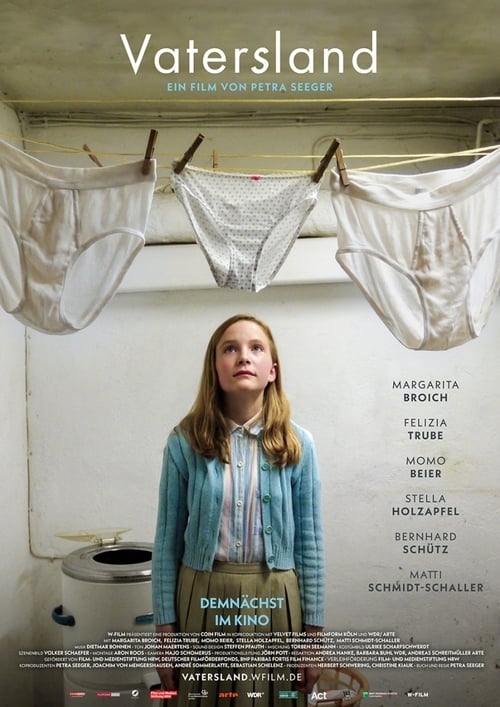
Vatersland
2020
No user ratings available yet
Representation score: 5.6 out of 10

Representation Score
Good
1980
Director
Jutta Brückner
Runtime
115 minutes
Average Rating
No ratings yetNew Showbiz Analysis
Jutta Brückner’s film is a social realist work that successfully challenges traditional patriarchal narratives. By focusing on a female ensemble, the film shifts the cinematic focus from male-centric conflicts to the complexities of female friendships and ability to act. However, the film’s scope is limited. It lacks representation of LGBTQ+ identities, racial diversity, and characters with disabilities, reflecting the historical and ideological constraints of DEFA productions in the GDR. While it provides a nuanced look at gendered power dynamics, it remains a largely homogeneous portrayal of a specific social class. Ultimately, the film is a study of female solidarity within a collectivist framework, prioritizing deep gendered social exploration over broad demographic diversity.
Category Breakdown
The film does not explicitly depict non-straight relationships or same-sex intimacy. Female friendships are emphasized, but they are portrayed through platonic bonds rather than queer identities.
The movie uses an almost entirely female cast to challenge traditional gender hierarchies. It highlights the career aspirations and intellectual independence of women.
The cast is predominantly of a single ethnicity, reflecting the social-realism style typical of GDR cinema. The film focuses on the socio-political conditions of East German working and middle classes.
The story emphasizes collective and socialist values over Western individualism. Character development is shaped by social responsibility and the structured environment of a socialist state.
There are no characters with visible or invisible disabilities. The film's themes focus on gender and social class rather than neurodivergence or physical disabilities.
Present on Screen
Limited or Absent
Official Synopsis
Hungerjahre is a movie about adolescence in 1950s West Germany, in which director and scriptwriter Jutta Brückner comes to terms with her own memories.
2020
1948
1967
1988
1987
1975
1982
1980
No reviews yet. Be the first to share your thoughts on this movie!
Use the rating form above to leave a star rating and optional review.