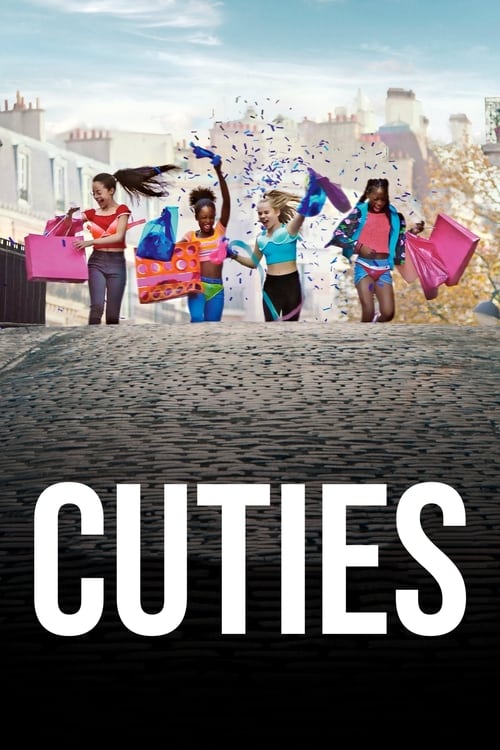
Cuties
2020
No user ratings available yet
Representation score: 6.9 out of 10
Representation Score
Excellent
2020
Director
Pilar Palomero
Runtime
97 minutes
Average Rating
No ratings yetNew Showbiz Analysis
Pilar Palomero’s work is a powerful contribution to feminist cinema, utilizing a documentary-style lens to elevate the control young girls have over their lives. By prioritizing their internal psychological landscapes, the film dismantles traditional structures that favor external authority. The strength of the film lies in its gender representation and its ability to navigate the complexities of bodily autonomy. It successfully moves away from objectifying female subjects, instead offering a nuanced exploration of identity and selfhood. However, the film remains somewhat limited in its explicit representation of LGBTQ+ identities and disability. While it captures the fluidity of adolescence, it does not provide specific, diverse character archetypes beyond the neurotypical and assuming gender matches what was assigned at birth experience.
Category Breakdown
The film explores the fluidity of adolescent identity rather than centering explicit queer romance. While it avoids assumptions that everyone is straight or cisgender, it lacks specific LGBTQ+ characters.
This film excels by centering the female experience and challenging the male gaze. It portrays the transition to womanhood as a complex process of reclaiming control over one's life.
The narrative offers a localized, naturalistic depiction of Spanish youth. It avoids idealized clichés by focusing on the grounded socioeconomic realities of its subjects.
The story critiques traditional institutions by juxtaposing adolescent autonomy against rigid environments like convent schools. It prioritizes psychological reality over religious or moralistic interpretations.
The film focuses on the universal biological changes of puberty. It does not feature characters with visible or invisible disabilities as central themes.
Present on Screen
Limited or Absent
Official Synopsis
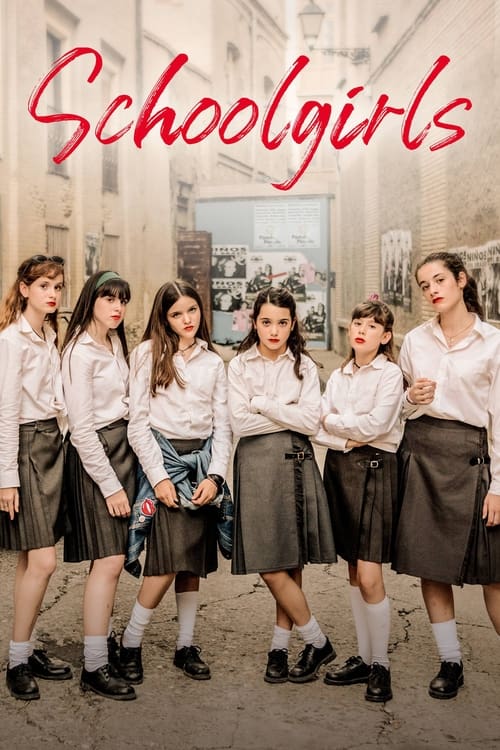
In early 1990s Spain, eleven-year-old Celia lives with her mother and studies at a convent school in Zaragoza. When Brisa, a confident new classmate from Barcelona, arrives, Celia is drawn into a world that challenges the strict religious teachings and sheltered life she has known. Their friendship pushes her to confront hidden truths at home and the uncertainties of adolescence, leading her to explore questions of identity, independence, and belonging.
2020

2008

2020
2023

2017

2011

2007

2021
No reviews yet. Be the first to share your thoughts on this movie!
Use the rating form above to leave a star rating and optional review.