The Rite
1969
No user ratings available yet
Representation score: 7.6 out of 10
Representation Score
Fair
1958
Director
Orson Welles
Runtime
27 minutes
Average Rating
No ratings yetNew Showbiz Analysis
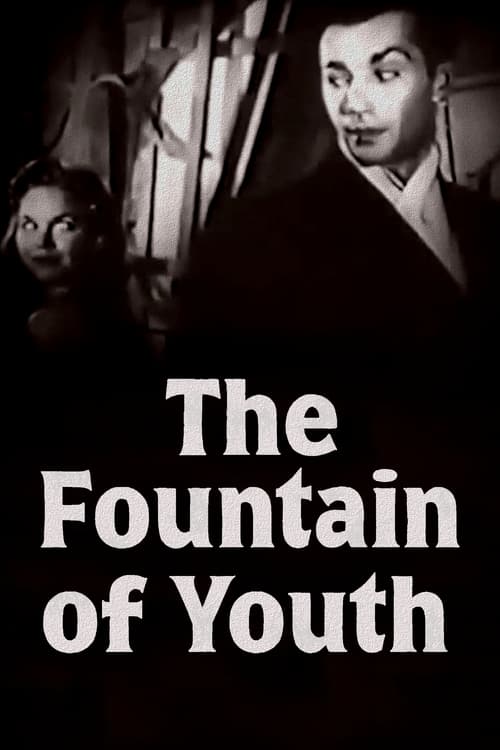
Orson Welles uses this darkly comic fable to deconstruct social norms and the stability of the nuclear family. Instead of focusing on diverse demographics, the film provides an intellectual subversion through its psychological study of vanity. The work functions as a philosophical essay on human corruption. It prioritizes a cynical, subjective view of human nature over traditional Western ideals of self-sacrifice and stability. While the film lacks modern inclusive representation, its strength lies in its experimental aesthetics and its willingness to challenge established narrative hierarchies and moral certainties.
Category Breakdown
The story focuses on a married couple within a typical framework that assumes everyone is straight and cisgender. There are no characters with non-binary gender identities or same-sex relationships.
A conflict between husband and wife drives the plot, which may disrupt traditional gender roles. The female character might take control through her pursuit of a potion, challenging passive stereotypes.
The film reflects the demographic uniformity of mid-century American television. It likely features a predominantly white, Anglo-Saxon cast consistent with the era's conventional casting practices.
The film excels by critiquing individualistic desires and moral relativism. It uses a darkly comic fable to challenge traditional views of virtue and human goodness.
The provided material contains no information about characters with visible or invisible disabilities.
Present on Screen
Limited or Absent
Official Synopsis
A darkly comic fable about vanity and desire, "The Fountain of Youth" follows a newly married couple whose relationship is destabilized by the arrival of a potion that promises centuries of youth and beauty—but in a quantity sufficient for only one person. As temptation and resentment grow, the gift becomes a catalyst for moral and emotional collapse. Written, directed, and narrated by Orson Welles and based on John Collier’s short story “Youth from Vienna,” the film uses stylized narration and experimental visual techniques to construct a compact essay on human vanity. (Note: Originally produced in 1956 as a television pilot and broadcast once in 1958 as part of NBC’s Colgate Theatre anthology series (S1E5); it later achieved independent archival and cultural status, including a 1958 Peabody Award.)
1969
1945
1972
1960
1968
1946

1993
1948
No reviews yet. Be the first to share your thoughts on this movie!
Use the rating form above to leave a star rating and optional review.