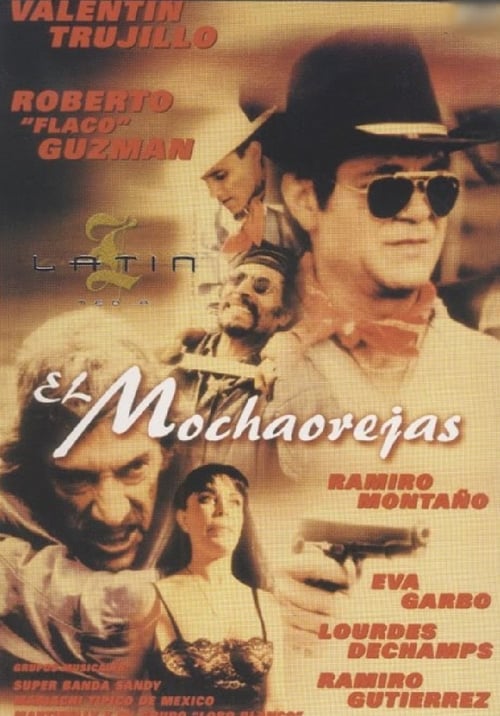
El mochaorejas
1998
No user ratings available yet
Representation score: 2.8 out of 10
Representation Score
Limited
1968
PG-13Director
Duccio Tessari
Runtime
102 minutes
Average Rating
No ratings yetNew Showbiz Analysis
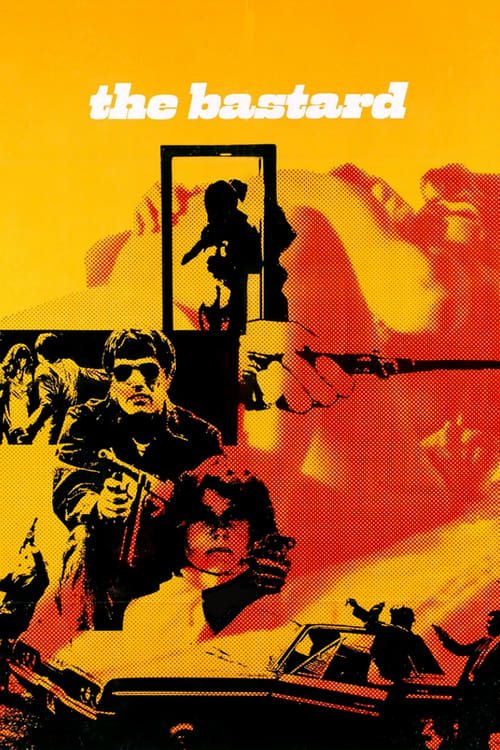
The Bastard is a quintessential Spaghetti Western that prioritizes genre-specific clichés over social subversion. The narrative is built entirely around a masculine conflict of vengeance, leaving little room for diverse perspectives or storytelling that reflects multiple aspects of identity. While the film features prominent Italian actors, the casting and setting adhere to traditional Western archetypes. It reinforces established social hierarchies rather than challenging them through character control or representation. Ultimately, the film functions as a character study of an outlaw. It uses physical trauma and moral ambiguity as tools for action, staying firmly within the conventional frameworks of 1960s cinema.
Category Breakdown
The film centers on a traditional masculine vendetta and does not include any non-binary gender identities or narratives that question the assumption that everyone is straight or cisgender.
Men drive the plot through the conflict between the two brothers. Women are mostly passive or secondary, serving as supporting elements to the main action.
The setting favors a specific demographic typical of the American West. The film does not use casting that deviates from the expected Anglo-Saxon profile to break the period setting.
The narrative emphasizes individual survival and moral ambiguity over Western institutions. It follows genre clichés of vigilantism without deconstructing authority or religious structures.
Physical impairment serves as a plot catalyst for a vendetta. The protagonist's mutilated hand is used as a device for violence rather than a nuanced exploration of disability.
Present on Screen
Limited or Absent
Official Synopsis
A criminal (Giuliano Gemma) seeks vengeance when his double-dealing brother (Klaus Kinski) steals his jewels and mutilates his shooting hand.
1998
1966

1975
1967
1974
1983
1976
1969
No reviews yet. Be the first to share your thoughts on this movie!
Use the rating form above to leave a star rating and optional review.