
Final Mission
1984
No user ratings available yet
Representation score: 1.7 out of 10
Representation Score
Minimal
1983
RDirector
William Lustig
Runtime
90 minutes
Average Rating
No ratings yetNew Showbiz Analysis
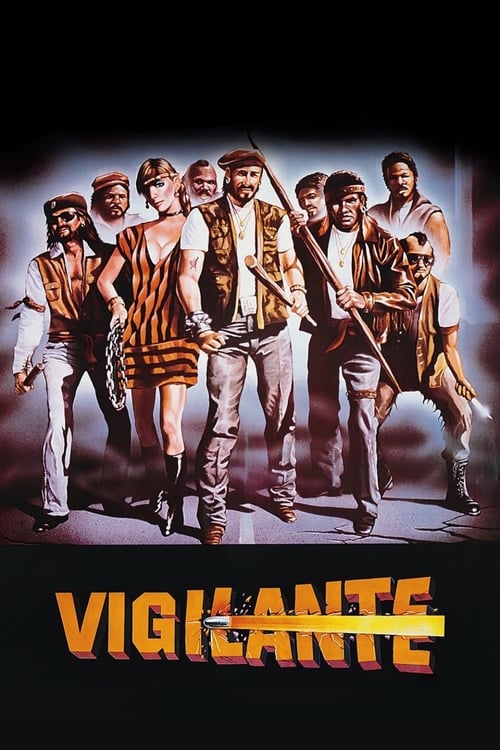
Vigilante is a gritty look at social breakdown that emphasizes visceral action over progressive representation. The film relies on traditional hierarchies, centering male-driven quests for vengeance and using women as plot devices. While the film provides a sharp critique of corrupt legal institutions, it does so through the lens of individual vigilante justice. It lacks an multi-layered or identity-based critique of power, staying true to the demographic norms of its era. Ultimately, the work serves as a quintessential piece of 1980s urban exploitation cinema, focusing on metropolitan decay rather than diverse or non-traditional social narratives.
Category Breakdown
The film follows a traditional 1980s crime storyline focused on heterosexual families and male-dominated social circles without any LGBTQ themes.
The narrative centers on masculine archetypes of revenge. Female characters primarily serve as catalysts for the protagonist's journey rather than having independent roles.
The cast is predominantly white, and while the film depicts urban decay, it does not use multi-layered casting to challenge conventional demographic expectations.
The story criticizes Western institutional effectiveness by portraying the judiciary as corrupt. It promotes moral relativism through individualistic retribution instead of systemic change.
There are no characters with visible or invisible disabilities central to the story. The film does not depict neurodivergence or physical impairments meaningfully.
Present on Screen
Limited or Absent
Official Synopsis
New York City factory worker Eddie Marino is a solid citizen and regular guy, until the day a sadistic street gang brutally assaults his wife and murders his child. When a corrupt judge sets the thugs free, he goes berserk and vows revenge.
1984

1974

1987

1973
2007
1996
1989
1983
No reviews yet. Be the first to share your thoughts on this movie!
Use the rating form above to leave a star rating and optional review.