X-Ray
1974
No user ratings available yet
Representation score: 7.8 out of 10
Representation Score
Excellent
1973
Director
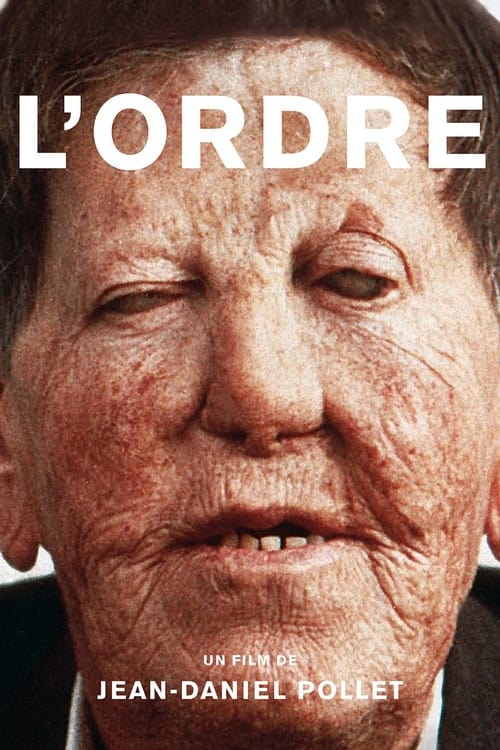
Jean-Daniel Pollet
Runtime
44 minutes
Average Rating
No ratings yetNew Showbiz Analysis
Jean-Daniel Pollet’s documentary is a profound study of social exclusion and human resilience. By centering the inhabitants of the Spinalonga leper colony, the film disrupts traditional cinematic hierarchies that favor able-bodied protagonists. The work excels by granting profound ability to act to those with physical disabilities, moving beyond tragic clichés to showcase community leadership. It effectively uses the testimony of Raimondakis to reconstruct a life defined by forced isolation. While the film lacks explicit focus on gender subversion or LGBTQ+ identities, its critique of how Western institutions categorize and discard 'the other' provides a sophisticated, humanistic framework.
Category Breakdown
The film explores intimate human connections and companionship within a restricted social environment. However, it does not explicitly center on queer romance or non-straight relationships.
Narrative ability to act is largely concentrated among the male subjects of the colony. The film lacks the structural complexity to challenge traditional gendered power dynamics or domestic hierarchies.
The film provides significant representation of a Mediterranean community on a Cretan island. This shifts the gaze away from Western European centers toward a localized, ethnic-specific reality.
The film critiques institutionalized exclusion and the systemic abandonment practiced by mainstream society. It prioritizes individual dignity and subjective morality over rigid state or religious dictates.
The film treats leprosy as a valid, complex mode of existence rather than a spectacle of suffering. It grants subjects immense ability to act, presenting the disabled body as a site of wisdom.
Present on Screen
Limited or Absent
Official Synopsis
Pollet provides an insight into life on the leper colony of Spinalonga, an island off Crete, through the eyes of Raimondakis, who tells the story of his life to the camera after having been excluded from his community to spend years of his life on the island with his fellow sufferers. Themes addressed include love, community, companionship and death and the importance of these values to all people whatever their state of health.
1974
1978
1992

1971
1997
1993
1981
2023
No reviews yet. Be the first to share your thoughts on this movie!
Use the rating form above to leave a star rating and optional review.