The Broadcast Tapes of Dr. Peter
1993
No user ratings available yet
Representation score: 8.1 out of 10
Representation Score
Excellent
1993
Director
Tom Joslin, Peter Friedman
Runtime
99 minutes
Average Rating
No ratings yetNew Showbiz Analysis
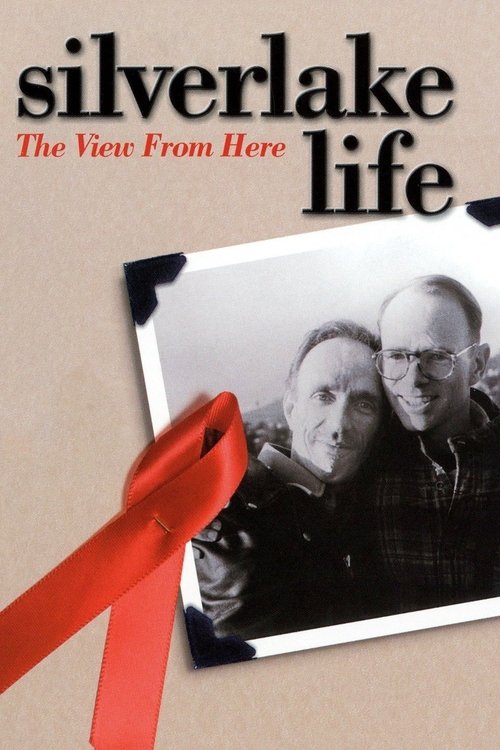
Silverlake Life: The View from Here is a seminal queer documentary that uses a diaristic approach to capture the intimacy of a same-sex relationship. Its greatest strength is its raw, unmediated portrayal of life and death during the HIV/AIDS crisis. The film excels in LGBTQ+ and disability representation, treating terminal illness with dignity rather than pity. It successfully challenges institutional indifference through a deeply personal lens. However, the film's scope is narrow, focusing heavily on a specific personal circle. This results in a lack of racial and ethnic diversity, limiting its broader demographic reach.
Category Breakdown
The film centers a same-sex relationship as its main emotional axis. It provides an essential, non-straight-focused perspective on intimacy and long-term commitment during the early 1990s.
The narrative challenges traditional hierarchies by focusing on emotional labor and caretaking within a queer context. It avoids the cliché of a stable male leader by showing physical vulnerability.
The film focuses on the immediate personal circle of the filmmakers in Los Angeles. It lacks a high degree of diversity within the central domestic unit.
The work offers a profound critique of institutional indifference and systemic failures. It prioritizes subjective, lived experiences over religious or medical dogma to highlight societal apathy.
The documentary provides an unflinching, dignified look at the physical manifestations of AIDS. It gives real power to those navigating terminal illness without falling into the trap of 'inspiration porn'.
Present on Screen
Limited or Absent
Official Synopsis
An extraordinary video diary about living with AIDS documenting, with guts and humor, the love and dedication of longtime companions Tom Joslin and Mark Massi, from the emotional challenge of living with a fatal illness to the frustration of maintaining daily routines,.
1993

2022

1995
1994

1994

2011
1993

1990
No reviews yet. Be the first to share your thoughts on this movie!
Use the rating form above to leave a star rating and optional review.