
Hospital
1977
No user ratings available yet
Representation score: 6.3 out of 10
Representation Score
Good
1974
Director
Krzysztof Kieślowski
Runtime
13 minutes
Average Rating
No ratings yetNew Showbiz Analysis
Krzysztof Kieślowski’s documentary provides a profound look at the human condition through the lens of medical vulnerability. By prioritizing the subjective experiences of patients in a sanatorium, the film shifts the focus from clinical observation to personal ability to act. The work excels in its portrayal of disability, treating patients as individuals with their own truths rather than mere medical subjects. This challenges typical power dynamics found in institutional care. However, the film is limited by its historical and geographical context. The demographic representation reflects the homogeneity of 1974 Poland, offering little in the way of racial or LGBTQ+ specificity.
Category Breakdown
The film focuses on medical vulnerability and does not delve into specific interpersonal dynamics or LGBTQ+ themes within the clinical setting.
By centering the thoughts and feelings of patients, the film elevates personal interiority. This approach potentially disrupts traditional social hierarchies by focusing on emotional resilience.
The production context in 1974 Poland suggests a homogeneous demographic. The narrative does not explicitly engage with racial dynamics.
The film critiques institutional authority by centering the perspectives of those underrepresented by illness. It prioritizes individual truth over systemic medical protocols.
The documentary grants a significant role in driving the story to individuals with chronic health conditions. It avoids clinical clichés by focusing on the complex psychological realities of serious diseases.
Present on Screen
Limited or Absent
Official Synopsis
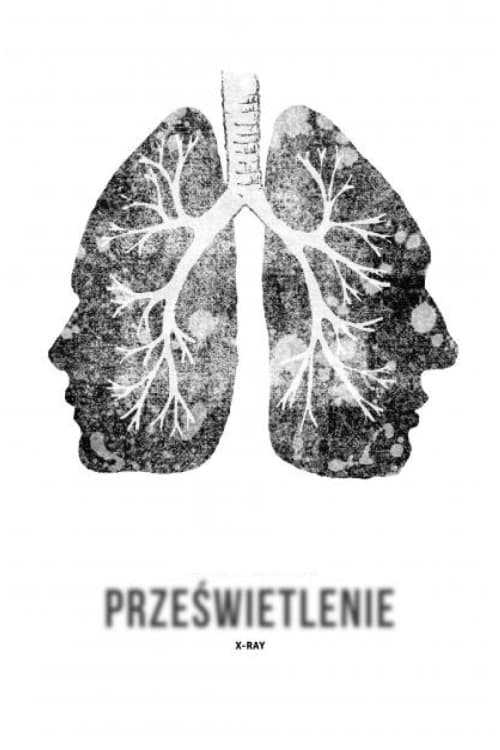
Patients with serious lung diseases, who are now in a sanatorium, tell us about their thoughts and feelings.
1977
1978
2007
1961
1972

2011
1988

2005
No reviews yet. Be the first to share your thoughts on this movie!
Use the rating form above to leave a star rating and optional review.