
$1,000 a Touchdown
1939
No user ratings available yet
Representation score: 1.1 out of 10
Representation Score
Minimal
1945
NRDirector
Jean Yarbrough
Runtime
90 minutes
Average Rating
No ratings yetNew Showbiz Analysis
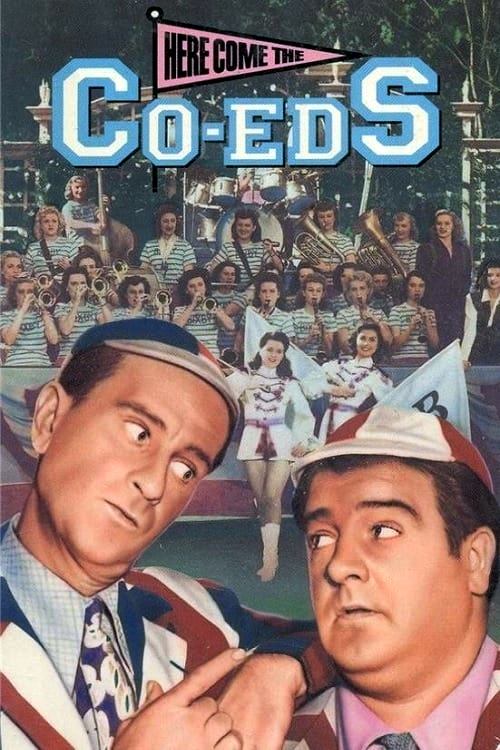
Here Come the Co-Eds is a typical 1940s escapist comedy that upholds the social hierarchies of its time. While Molly drives the plot through her academic goals, the film remains tied to traditional comedic structures. The production lacks diverse representation, presenting a homogeneous cast and a narrative that maintains rather than challenges cultural norms. Ultimately, the film prioritizes established social structures and conventional character dynamics over any disruption of cultural norms.
Category Breakdown
The film follows the traditional heterosexual norms of 1940s studio comedies, with no representation of LGBTQ+ identities or same-sex relationships.
Molly plays a significant role in driving the story through her academic pursuits. However, the resolution leans heavily on male involvement in the sports subplot.
The casting reflects the homogeneous standards of Monogram Pictures in 1945, lacking significant racial diversity or blended identities.
The story adheres to traditional Western values, focusing on preserving a college without critiquing Western institutions or capitalism.
There is no representation of physical or neurodivergent identities. Characters are portrayed within the bounds of able-bodied comedic roles.
Present on Screen
Limited or Absent
Official Synopsis
Molly, her brother, Slats, and his pal, Oliver, are taxi dancers at the Miramar Ballroom. As a publicity stunt, Slats plants an article about Molly claiming her ambition is to earn enough money to attend staid, all-girl Bixby College. Bixby's progressive dean offers Molly a scholarship. Molly accepts on the condition that Slats and Oliver come along too as campus caretakers. But the pompous Chairman threatens to foreclose on the school's mortgage if Molly isn't expelled. Together, the trio, with the help of some new friends, concocts a scheme to raise enough money to save the school. The plan involves a bet on the Bixby basketball team, which is playing in a game rated at 20 to 1 by the local bookie. But the bookie has other plans for their dough and hires a group of ringers to step in for the opponents. All is not lost, at least while Oliver has the chance to turn things around for his friends-one way or another.
1939
1940
1940
1925
1951
1927

1947
1932
No reviews yet. Be the first to share your thoughts on this movie!
Use the rating form above to leave a star rating and optional review.