
Uncovered: The War on Iraq
2004
No user ratings available yet
Representation score: 3.7 out of 10
Representation Score
Limited
1992
Director
Barbara Trent
Runtime
91 minutes
Average Rating
No ratings yetNew Showbiz Analysis
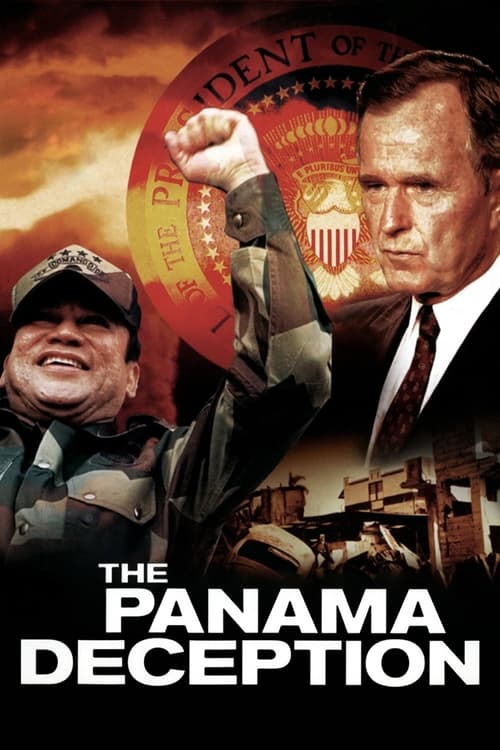
The Panama Deception stands as a strong counter-narrative film. It dismantles official Western narratives and replaces them with a framework that highlights state power as oppressive. While it does not focus on traditional identity-based arcs such as LGBTQ+ or specific gender subversion, it excels in applying a post-colonialist critique. Its impact comes from centering non-Western voices, offering a crucial alternative to mainstream geopolitical storytelling.
Category Breakdown
The documentary does not focus on stories or characters related to LGBTQ+ identities. Instead, it concentrates on geopolitical and humanitarian issues.
Women from Panama are featured, especially those documenting the economic and social impacts of the invasion. However, the story primarily centers on military structures, limiting the exploration of gender-specific issues.
The film challenges Anglo-centric viewpoints by highlighting the Panamanian experience. It prioritizes the lives of local residents over official US military accounts.
The film critiques Western institutional power using a post-colonial perspective. It portrays US government and military forces as disruptive elements rather than stabilizers.
There is no significant portrayal of physical or neurodivergent disabilities as central narrative elements.
Present on Screen
Limited or Absent
Official Synopsis
This winner of the 1993 Academy Award for Best Documentary Feature details the case that the 1989 invasion of Panama by the US was motivated not by the need to protect American soldiers, restore democracy or even capture Noriega. It was to force Panama to submit the will of the United States after Noriega had exhausted his usefulness.
2004

2005

2004

2012

2014
2008

1983

2013
No reviews yet. Be the first to share your thoughts on this movie!
Use the rating form above to leave a star rating and optional review.