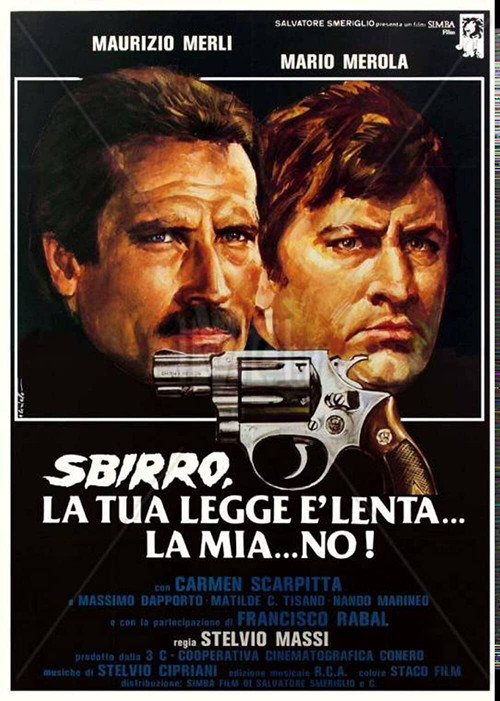
Hunted City
1979
No user ratings available yet
Diversity score: 2.9 out of 10
1980
Director
Stelvio Massi
Runtime
87 minutes
Average Rating
No ratings yetSynopsis
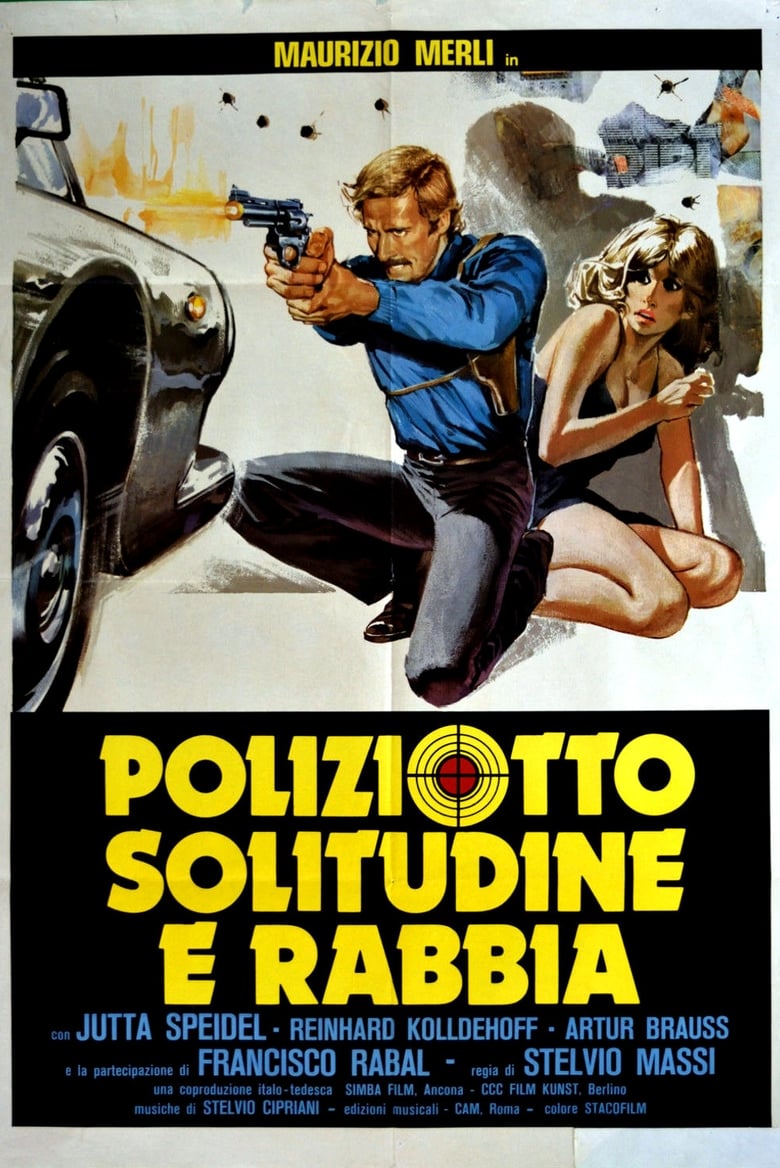
"Poliziotti solitudine e rabbia" or "Ein Mann namens Venedig" (A Man called Venice), as it was called in Germany, is an Italian-German crime drama co-production from 1979, filmed mainly in the snowy winter of bleak West-Berlin. Italian cop Nick, played by gangster movie veteran Maurizio Merli, goes to Berlin to find the head of an International European blackmailing gang who has murdered several people. He investigates undercover as a contract killer for the gangsters, but of course becomes immediately the target of his enemies and has to fight hard to save his life...
Overall Score
Limited
Category Breakdown
LGBTQ+ Representation
The film focuses almost exclusively on a hyper-masculine sphere of crime and violence. There is no evidence of LGBTQ+ characters or narratives that challenge heteronormativity.
Gender Representation
The narrative operates within a traditional masculine framework centered on the protagonist's physical agency. Female characters occupy secondary roles, often serving as mere catalysts for male motivations.
Racial & Ethnic Diversity
The cast is predominantly white and Eurocentric, reflecting the cinematic norms of the 1980 Italian crime genre. The international plot lacks significant intersectional casting.
Religious & Cultural Diversity
The film explores the friction between individuals and state authority. It engages with themes of moral relativism and critiques the stability of Western social contracts.
Disability Representation
There is no significant evidence of characters with disabilities being portrayed with agency. The focus on physical prowess leaves little room for nuanced representation.
Strengths
Areas for Improvement
AI Analysis
The film is a quintessential product of the poliziotteschi genre, prioritizing gritty action and systemic cynicism over demographic inclusion. It adheres to the era's traditional archetypes, focusing on a lone male hero navigating a corrupt landscape. While the film lacks contemporary intersectional representation regarding race, gender, and sexuality, it offers a distinct critique of institutional efficacy. Its value lies in its postmodern deconstruction of state authority rather than social diversity. Ultimately, the work reflects the historical norms of 1980s crime cinema, emphasizing a bleak, solitary struggle against urban decay and failing social structures.
1979
1978
1976
1987
1972
1975
1973
1978
1968
1977
1974
1973
No reviews yet. Be the first to share your thoughts on this movie!
Use the rating form above to leave a star rating and optional review.