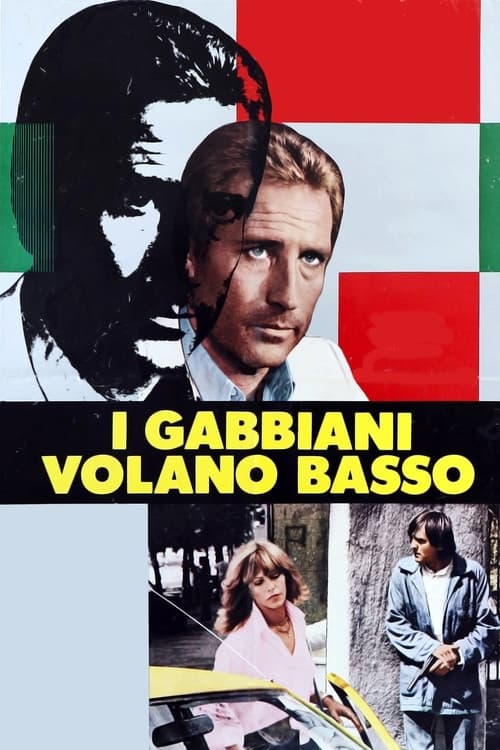
Seagulls Fly Low
1978
No user ratings available yet
Representation score: 0.5 out of 10
Representation Score
Minimal
1978
RDirector
Stelvio Massi
Runtime
93 minutes
Average Rating
No ratings yetNew Showbiz Analysis
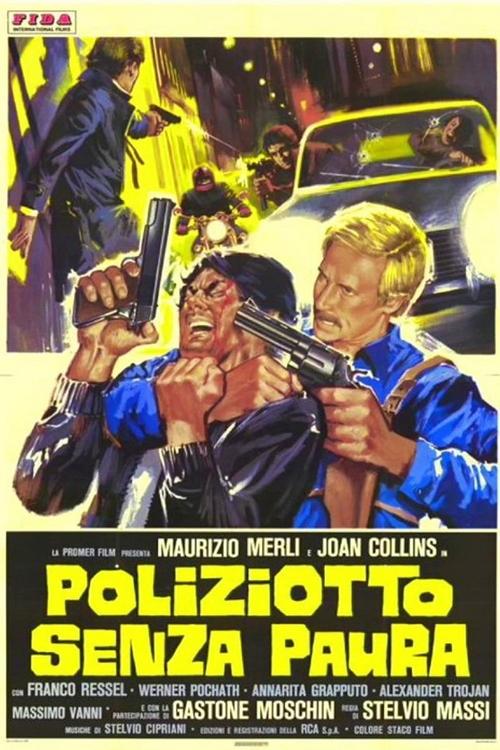
Magnum Cop is a quintessential example of the poliziotteschi genre, relying heavily on traditional clichés of masculine authority. The film prioritizes the visceral mechanics of crime and law enforcement over more progressive storytelling techniques. The storytelling leans on established social hierarchies and conventional gender roles, avoiding any intentional disruption of these norms. Instead, it offers a straightforward exploration of urban disorder and corruption. Overall, the film provides a highly traditional and homogeneous cinematic experience, lacking engagement with multi-layered identity politics or the subversion of Western social structures.
Category Breakdown
The film follows conventional structures typical of 1970s crime cinema, focusing on straight relationships without challenging traditional gender norms. There is no representation of non-binary or transgender identities.
Men, particularly law enforcement figures, play central roles in driving the plot. Women are often sidelined, appearing mainly as victims or motivators rather than key drivers of the story.
The casting and setting appear largely homogeneous, reflecting the demographics of 1970s Italy and Austria. There is no significant racial diversity or varied cultural backgrounds represented.
The narrative centers on the conflict between state authority and criminal elements, emphasizing the restoration of order without engaging with systemic critiques of Western institutions.
Characters with disabilities, either visible or invisible, are not given significant roles. Physical trauma is used primarily as a plot device to increase tension rather than to explore lived experiences.
Present on Screen
Limited or Absent
Official Synopsis
A low-rent private investigator and former cop is sent to Austria on a job, and while there sees a number of seemingly unrelated coincidences that lead him into a strange web of corruption and decadence.
1978
1967
1978
1966
1969
1975
1980
1981
No reviews yet. Be the first to share your thoughts on this movie!
Use the rating form above to leave a star rating and optional review.