
Street Mobster
1972
No user ratings available yet
Representation score: 2.4 out of 10
Representation Score
Minimal
1973
RDirector
Fernando Di Leo
Runtime
109 minutes
Average Rating
No ratings yetNew Showbiz Analysis
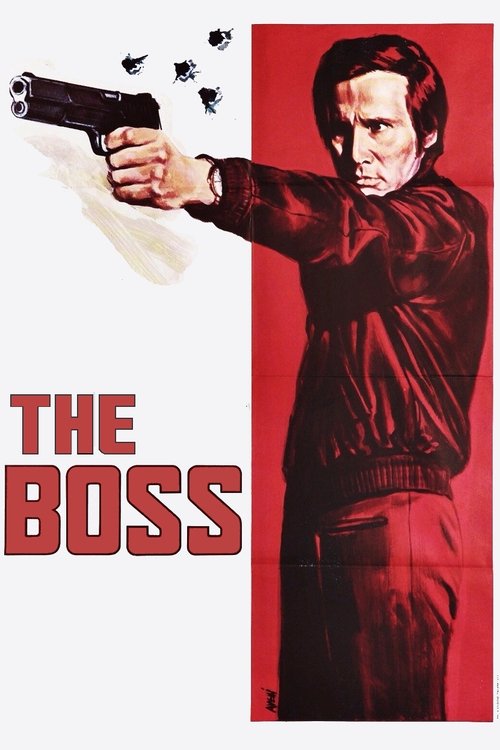
The film, The Boss, is a classic example of the poliziottesco genre, emphasizing hyper-masculine structures and rigid social hierarchies. Its narrative focus remains firmly within the internal conflicts of Italian criminal factions, leaving little room for diverse representations. While the film explores regional ethnic tensions between Sicilians and Calabrians, it lacks broader racial diversity. The cultural context is insular, reflecting the localized cinematic constraints of 1970s Italy. Ultimately, the film reinforces traditional patriarchal norms. Women and underrepresented identities are excluded from the central power struggles, resulting in a production that adheres strictly to the homogenous clichés of its era.
Category Breakdown
The film follows the conventions that assume everyone is straight and cisgender, typical of 1970s Italian crime cinema. There are no non-binary gender identities or same-sex relationships in the story.
The power dynamics in the film are dominated by men, centered around organized crime hierarchies. Women appear in supporting or domestic roles rather than as active drivers of the plot.
The cast and setting are predominantly made up of Sicilian and Calabrian characters, with no broader racial diversity or non-white characters.
The story operates within a closed criminal ecosystem, avoiding explicit critiques of Western institutions or promoting specific political ideologies.
There are no visible characters with physical, sensory, or neurodivergent disabilities in the film. The movie does not address the roles of disabled individuals.
Present on Screen
Limited or Absent
Official Synopsis
A hitman finds himself embroiled in the middle of a Mafia war between the Sicilians and the Calabrians.
1972

1972

1966
1972
1973
1993
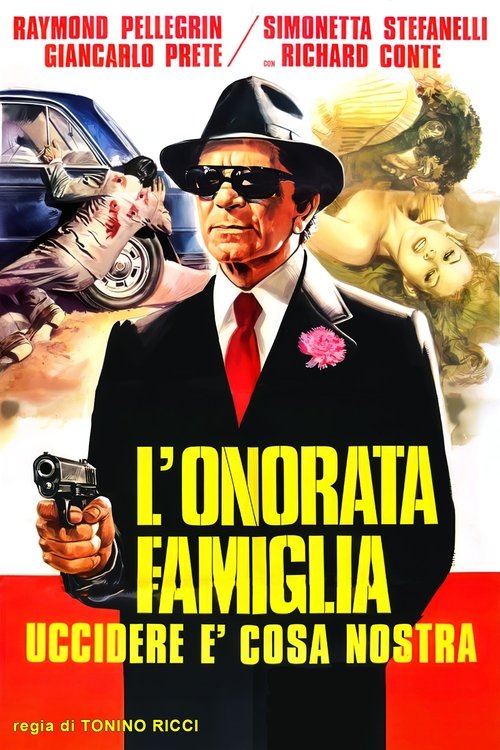
1973
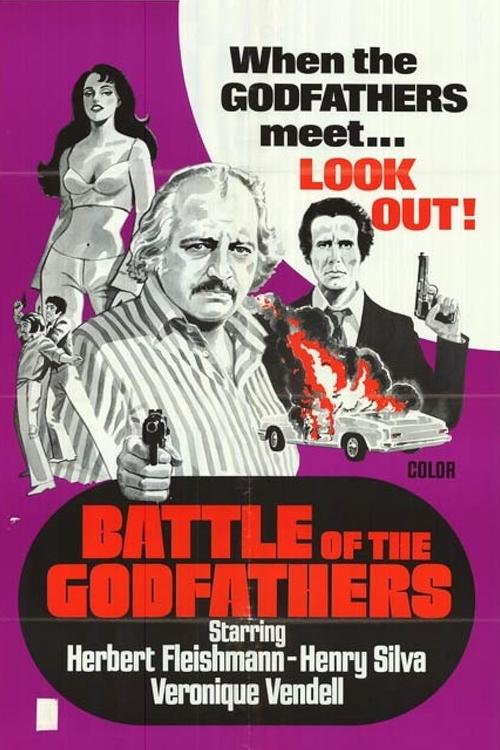
1973
No reviews yet. Be the first to share your thoughts on this movie!
Use the rating form above to leave a star rating and optional review.