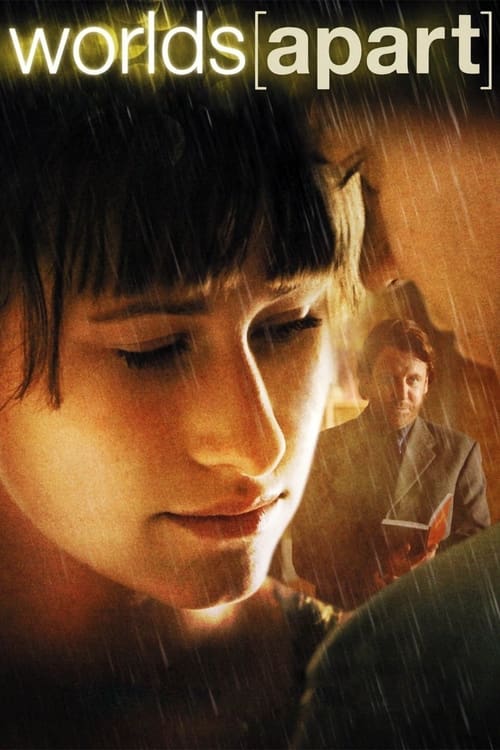
Worlds Apart
2008
No user ratings available yet
Representation score: 3.9 out of 10

Representation Score
Fair
2001
Director
Mijke de Jong
Runtime
95 minutes
Average Rating
No ratings yetNew Showbiz Analysis
Uitgesloten is a character-driven exploration of the tension between systemic religious control and individual freedom. It excels in its cultural critique, using the contrast between Jehovah's Witnesses and the 1980s Dutch counter-culture to examine identity. The film's strength lies in its subversion of traditional hierarchies, particularly by giving female characters the power to drive the plot. However, the narrative remains narrowly focused, lacking racial or explicit LGBTQ+ representation.
Category Breakdown
The film examines the tension between strict community rules and personal desires. Although the main romances are heterosexual, the theme of living a double life reflects the struggle of navigating non-conformist spaces.
Female characters Marjan and Annemiek play key roles in cultural expansion. They have greater social autonomy and help the protagonists connect with the outside world.
The story focuses on a local conflict within a Dutch religious community. There is no indication of a diverse cast or focus on racial diversity.
The film criticizes organized religion as a restrictive force that requires deception. It contrasts religious dogma with secular, anti-establishment subcultures such as squatting and the art scene.
There is no focus on physical or neurodivergent disabilities in the narrative.
Present on Screen
Limited or Absent
Official Synopsis
Uitgesloten is set in 1983. Jonathan is 18 and, just like his best friend Coen, he has grown up in the Jehovah's Witnesses. In this world with its strict rules, Jonathan and Coen however have their own ideas. Both have girlfriends, Marjan and Annemiek, who live in a very different world: the girls study at art school and mix with squatters. The boys do not tell their girlfriends about their background and they anxiously keep Marjan and Annemiek hidden from their own community. The friends lead a double life: they ring doorbells to distribute the Ontwaakt! and play in a band for the Jehovah's Witnesses, while they also visit ska concerts and squatters' bars and become increasingly caught up in the worldly life of Marjan and Annemiek.
2008

2023
2009
2014
2009
2013

2016

2005
No reviews yet. Be the first to share your thoughts on this movie!
Use the rating form above to leave a star rating and optional review.