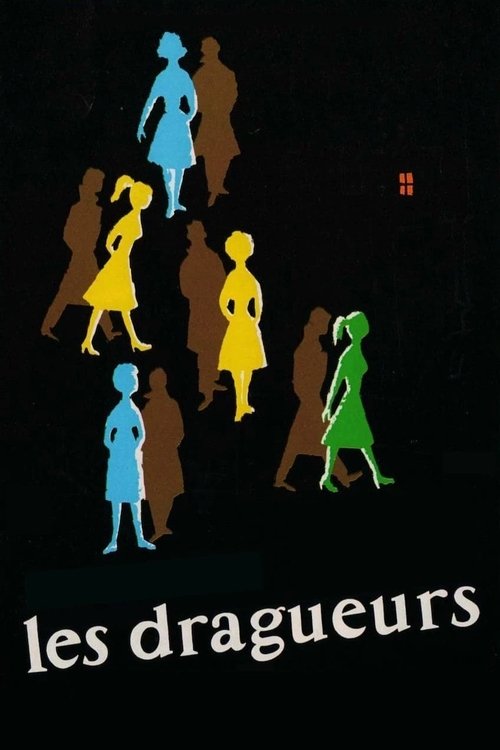
The Chasers
1959
No user ratings available yet
Representation score: 1.8 out of 10
Representation Score
Fair
1969
Director
Jean Eustache
Runtime
89 minutes
Average Rating
No ratings yetNew Showbiz Analysis
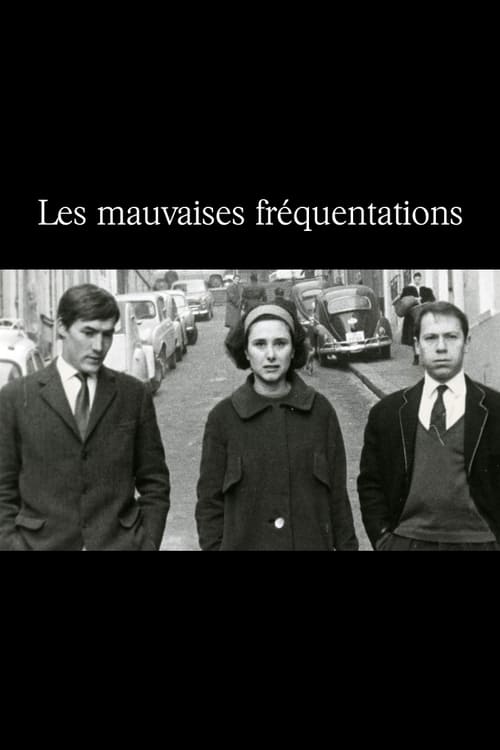
Bad Company serves as a sophisticated critique of social hierarchies, drawing on the intellectual rigor of the French Left Bank movement. It avoids the stable formulas of mainstream cinema, opting instead for a deconstruction of authority and traditional roles. While the work is rooted in the demographics of 1969 France, it maintains a progressive stance by centering underrepresented perspectives and moral relativism. The films prioritize psychological depth over conventional narrative structures. Ultimately, the work challenges social norms through its formal experimentation, though specific multi-layered details are limited by the era's context.
Category Breakdown
The films hint at moving away from assumptions that everyone is straight or cisgender. They explore fluid desires and ambiguous relationships without showing specific examples of same-sex intimacy.
Eustache challenges traditional gender roles by focusing on characters' inner lives rather than their social status. This approach deconstructs masculine authority through a lens of existential and social instability.
The cast likely reflects the demographics of 1969 France. While there is no evidence of significant racial mixing, the focus avoids mainstream homogeneity by highlighting underrepresented groups.
The narrative emphasizes personal experience and questions established institutions. It addresses post-1968 disillusionment, presenting outsiders and rebels within a complex, non-traditional social order.
There is no documented evidence regarding the inclusion or portrayal of characters with visible or invisible disabilities in these shorts.
Present on Screen
Limited or Absent
Official Synopsis
Two short films by Jean Eustache (Robinson's Place and Santa Claus Has Blue Eyes) presented together. US limited theatrical release in 1969.
1959

1974
1961
1964
1959
1965
1959

1964
No reviews yet. Be the first to share your thoughts on this movie!
Use the rating form above to leave a star rating and optional review.