Vai
2019
No user ratings available yet
Representation score: 7.2 out of 10
Representation Score
Excellent
2017
Director
Casey Kaa, Ainsley Gardiner, Katie Wolfe, Briar Grace Smith, Chelsea Cohen, Renae Maihi, Awanui Simich-Pene, Paula Whetu Jones
Runtime
88 minutes
Average Rating
No ratings yetNew Showbiz Analysis
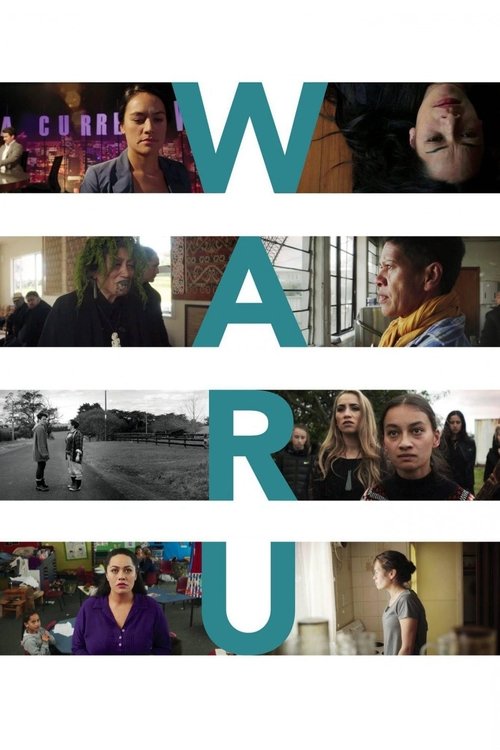
Waru is a powerful exercise in storytelling that centers indigenous perspectives. By employing eight Māori female directors, the film dismantles traditional hierarchies and centers indigenous female voices. This collaborative approach ensures the narrative is authentically grounded in Māori culture. The film excels in racial and gender representation, using the Māori tangi to highlight communal strength and systemic critique. It successfully displaces Western-centric frameworks in favor of authentic cultural expression. While the film is a powerhouse of indigenous authorship, it lacks explicit detail regarding LGBTQ+ identities or specific disability representation, leaving those areas less defined within the current narrative scope.
Category Breakdown
The film explores community and kinship through the lens of a Māori tangi. While specific LGBTQ+ character arcs are not explicitly detailed, the communal setting provides a space for non-normative identities.
An all-female directorial team subverts traditional patriarchal hierarchies. The narrative prioritizes female-led communal ability to act and emotional intelligence over the male-dominated lenses typical of crime dramas.
The production achieves a near-total disruption of Anglo-centric norms. By centering a Māori cast and crew, the film reclaims narrative ability to act through an authentic indigenous lens.
The film centers indigenous ritual and communal mourning as a counter-narrative to Western individualism. It uses the tangi to critique systemic failures and prioritize collective healing.
The narrative focuses heavily on trauma and grief following a child's death. However, there is no specific evidence regarding the representation of neurodivergence or physical disability.
Present on Screen
Limited or Absent
Official Synopsis
Eight Māori female directors have each contributed a sequence to this powerful and challenging feature which unfolds around the tangi of a small boy who died at the hands of his caregiver.
2019
2023
2017
2021
2013
2017

2020
2013
No reviews yet. Be the first to share your thoughts on this movie!
Use the rating form above to leave a star rating and optional review.