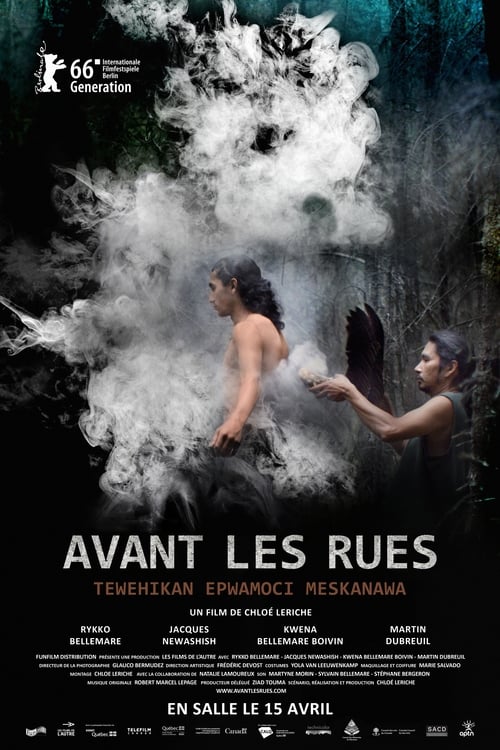
Before the Streets
2016
No user ratings available yet
Representation score: 6.0 out of 10

Representation Score
Excellent
2021
Director
Caroline Monnet
Runtime
81 minutes
Average Rating
No ratings yetNew Showbiz Analysis
Bootlegger is a sophisticated exploration of sovereignty that centers Indigenous-led storytelling. By focusing on Mani’s return to her northern Quebec reserve, the film disrupts settler-centric narratives and emphasizes the struggle for autonomy. The film excels in racial and cultural representation, using the local bootlegging economy to explore ability to act and the tension between capitalist integration and communal preservation. It avoids stereotypical portrayals by grounding the conflict in specific socioeconomic realities. While gender representation is strong through Mani’s leadership, the film lacks explicit LGBTQ+ or disability-focused narratives. However, these absences do not detract from its primary mission of deconstructing colonial power dynamics.
Category Breakdown
The film highlights communal tensions without focusing on queer identities. It avoids reinforcing traditional hierarchies by not relying on derogatory stereotypes.
Mani is the central figure driving the story both intellectually and morally. The film places a woman at the forefront of a complex political and social situation, challenging traditional hierarchies.
The cast and setting are predominantly Indigenous, reclaiming the narrative from a Western perspective. It offers a nuanced look at ability to act within a underrepresented context, avoiding oversimplified stereotypes.
The film explores the complexities of modern Indigenous sovereignty and the conflict between Western legal systems and internal governance. It examines communal preservation through an alcohol referendum.
There is no explicit depiction of characters with visible or invisible disabilities. The narrative focuses on socio-political and intergenerational trauma within the community.
Present on Screen
Limited or Absent
Official Synopsis
Mani, a master’s student, returns to the reserve in northern Quebec where she grew up. Her painful past resurfaces. Resolved to reintegrate into the community, she gets involved in the debate around a referendum on allowing the free sale of alcohol on the reserve. Laura, a bootlegger, pockets the profits she makes there under the protection of the band council and her partner Raymond. The latter is still angry with Mani, whom he holds responsible for the death of his daughter in a fire. Opposing forces quickly divide the community into two sides who face each other to determine the best path to independence.
2016
2015
2019

2019
2021
2017
2011
2019
No reviews yet. Be the first to share your thoughts on this movie!
Use the rating form above to leave a star rating and optional review.