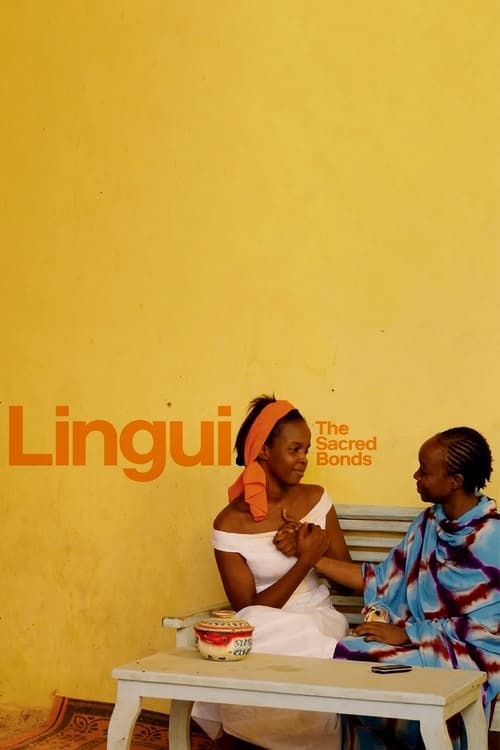
Lingui, the Sacred Bonds
2021
No user ratings available yet
Representation score: 6.5 out of 10
Representation Score
Excellent
2019
Director
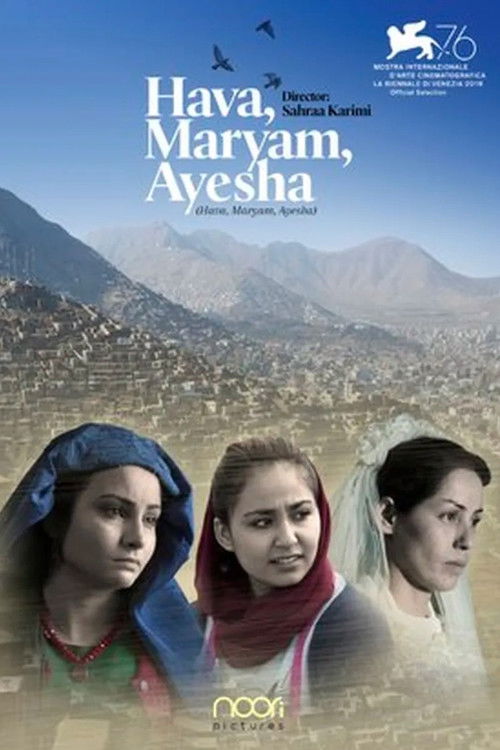
Sahraa Karimi
Runtime
86 minutes
Average Rating
No ratings yetNew Showbiz Analysis
The film excels at centering women's ability to drive the story within a patriarchal framework, providing a nuanced look at Afghan women's lives. By focusing on characters like Maryam and Ayesha, it highlights the struggle for autonomy against systemic constraints. While the film is culturally authentic and gender-progressive, it lacks representation for LGBTQ+ identities and disability. The narrative structure is strictly tied to the socio-cultural landscape of Kabul and traditional reproductive themes. Overall, the work is a sophisticated critique of institutional power, using the internal lives of its protagonists to challenge the prevailing social order.
Category Breakdown
The film focuses on heterosexual and cisgender social structures and traditional reproductive roles. There is no explicit evidence of queer romantic arcs or non-binary gender identities.
The narrative centers on women navigating life-altering crises with significant psychological independence. It disrupts passive female stereotypes by showing protagonists solving problems independently within restrictive environments.
The production features an authentically Afghan cast and setting. It avoids Western-centric casting by leaning into a specific, culturally grounded identity rooted in the region's lived experience.
The story critiques rigid social and religious frameworks through the characters' struggles for bodily autonomy. It challenges unquestioned morality by prioritizing individual survival over institutional dogma.
There is no explicit evidence regarding the inclusion of characters with visible or invisible disabilities. The focus remains on gendered and socioeconomic struggles.
Present on Screen
Limited or Absent
Official Synopsis
Three Afghan women from different social background, living in Kabul, are facing a big challenge in their lives. Hava, a traditional pregnant woman whom no one cares about, is living with her father- and mother-in-law. Her only joy is talking to the baby in her belly. Maryam, an educated TV news reporter, is about to get a divorce from her unfaithful husband that finds out she is pregnant. Ayesha, an 18-year-old girl, accepts to marry her cousin because she is pregnant from her boyfriend who disappears after hearing her pregnancy news. Therefore, she needs to find a doctor to get an abortion and regain her virginity. Each of them has to solve her problem by herself for the first time.
2021
2000
2019
2016
2018
1994
2017
2011
No reviews yet. Be the first to share your thoughts on this movie!
Use the rating form above to leave a star rating and optional review.