
Sand Dollars
2015
No user ratings available yet
Diversity score: 7.0 out of 10
2019
Director
Laura Amelia Guzmán, Israel Cárdenas
Runtime
90 minutes
Average Rating
No ratings yetSynopsis
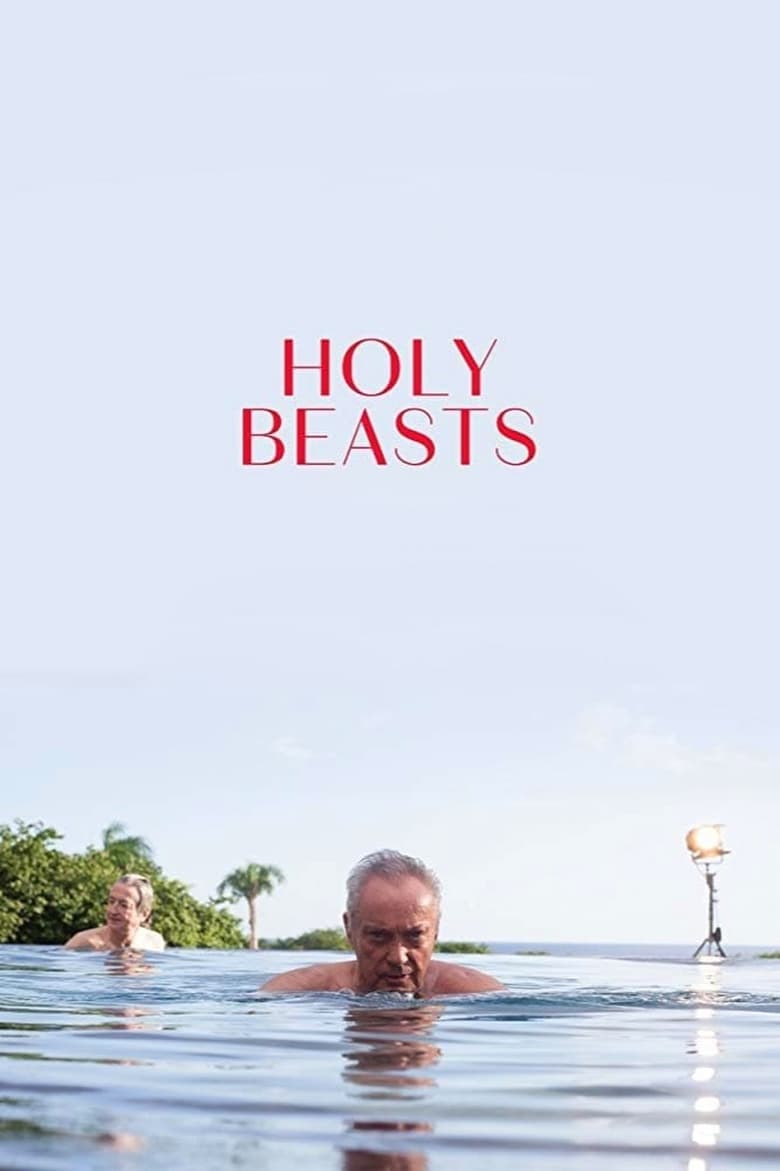
Remembers an artist in the form of a somnambulistic fantasy: A filmmaker faces increasing challenges as she tries, decades later, to complete Dominican filmmaker Jean-Louis Jorge’s unfinished work.
Overall Score
Good
Category Breakdown
LGBTQ+ Representation
The film maintains a neutral stance, focusing on spiritual and somatic connections rather than explicit sexual orientations. It avoids heteronormative tropes but lacks clearly defined queer-coded subtext or non-cisnormative identities.
Gender Representation
The narrative disrupts traditional hierarchies by centering female subjectivity and meditative experiences. It avoids secondary characterizations by prioritizing maternal and spiritual agency through a somnambulistic lens.
Racial & Ethnic Diversity
The film excels in regional authenticity with a predominantly Mexican and Latin American cast and crew. This approach avoids the Western gaze by centering the story within a specific cultural landscape.
Religious & Cultural Diversity
The story favors a postmodern, relational understanding of reality over objective truth. It moves away from Western institutional frameworks toward an organic, perhaps animistic, worldview centered on the natural world.
Disability Representation
Themes of grief and the physical body are present, though specific disabilities are not central to character arcs. The somnambulistic state suggests a possible exploration of neurodivergence or sensory perception.
Strengths
Areas for Improvement
AI Analysis
Holy Beasts is a sophisticated piece of transnational cinema that rejects Western cinematic hegemony. It succeeds by centering Latin American subjectivity and utilizing a fragmented, poetic structure that challenges conventional storytelling norms. The film's strength lies in its cultural authenticity and its subversion of male-driven epics. By focusing on female memory and regional textures, it provides a high degree of agency to its characters within their specific geographic contexts. However, the film lacks explicit engagement with identity-based politics. The absence of clearly defined LGBTQ+ identities or specific disability depictions prevents a higher overall score, as the narrative prioritizes abstraction over social advocacy.
2015
2020
2019

2006

2019

1989

2021
2019

2018

2011

2005

2022
No reviews yet. Be the first to share your thoughts on this movie!
Use the rating form above to leave a star rating and optional review.