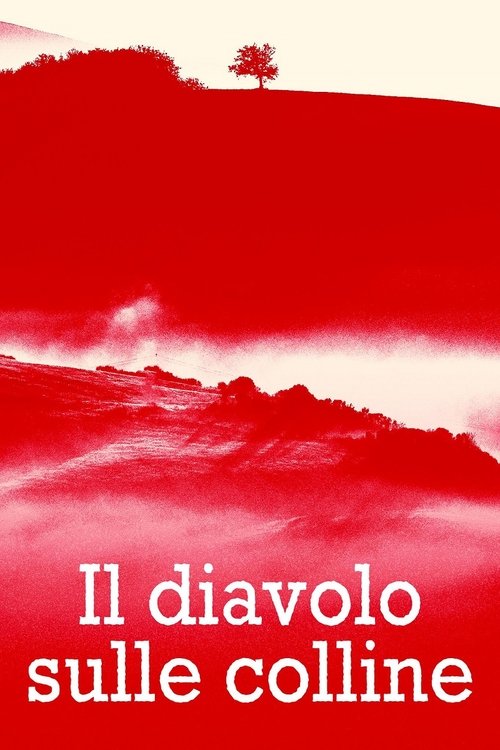
The Devil in the Hills
1985
No user ratings available yet
Diversity score: 3.4 out of 10

1986
RDirector
Marco Bellocchio
Runtime
114 minutes
Average Rating
No ratings yetSynopsis
An Italian high school student becomes infatuated with a woman he sees outside his class window. Her fiancée is in jail for being involved in a radical movement, and she spends much time in court providing moral support. At first she resists the student's advances, but eventually begins an affair with him. Their situation is condemned by her family and his father, who is the woman's psychologist.
Overall Score
Fair
Category Breakdown
LGBTQ+ Representation
The narrative focuses exclusively on a heterosexual affair. It lacks non-cisnormative identities or explicit critiques of heteronormativity through an LGBTQ+ lens.
Gender Representation
The female protagonist drives the plot through her autonomy and sexual agency. She subverts patriarchal expectations by acting as a disruptive force rather than a submissive archetype.
Racial & Ethnic Diversity
The cast is homogeneous, reflecting its specific provincial Italian setting. The story prioritizes class and social standing over multi-ethnic or racial identity.
Religious & Cultural Diversity
The film critiques traditional Western institutions like the family and religious morality. It portrays these structures as stifling forces that suppress individual identity.
Disability Representation
There are no prominent depictions of physical or neurodivergent disabilities that serve as central narrative drivers.
Strengths
Areas for Improvement
AI Analysis
Marco Bellocchio’s film is a psychological study of individual impulse clashing with institutional rigidity. It succeeds by deconstructing provincial social structures and challenging the sanctity of established moral orders through a lens of moral relativism. The work excels in its subversion of gender hierarchies, granting the female lead significant agency. However, the film remains limited by its lack of racial and LGBTQ+ diversity, staying rooted in a homogeneous Italian landscape. Ultimately, the film is a progressive critique of systemic conformity, even if its demographic representation is narrow.
1985
1973
1976

1991
1984

1975

1991

1981
1969
2005

1991
1969
No reviews yet. Be the first to share your thoughts on this movie!
Use the rating form above to leave a star rating and optional review.