Nest of Vipers
1978
No user ratings available yet
Representation score: 2.7 out of 10
Representation Score
Limited
1985
Director
Vittorio Cottafavi
Runtime
105 minutes
Average Rating
No ratings yetNew Showbiz Analysis
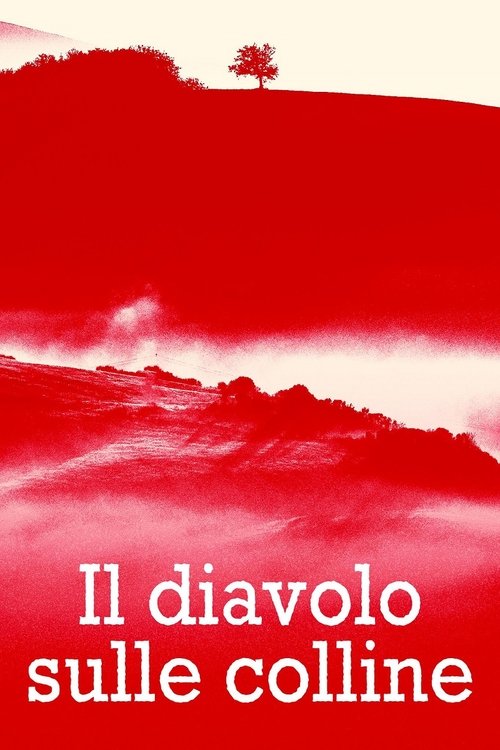
The Devil in the Hills functions as a traditional period drama centered on the social and intellectual dynamics of 1930s Italy. It relies heavily on established European dramatic conventions, focusing on the interactions between a writer and the aristocracy. While the film hints at social subversion through 'uninhibited' characters, it lacks the depth or diverse casting necessary for a progressive narrative. The focus remains largely on a homogeneous European social class. Ultimately, the work explores psychological tension and class critique but does not provide systemic narrative disruption or broad representation.
Category Breakdown
The film includes an uninhibited noble couple, which might hint at non-traditional sexualities. However, there is no explicit evidence of LGBTQ+ identities or specific LGBTQ+ narratives.
The presence of an uninhibited couple suggests a possible departure from rigid 1930s feminine archetypes. Yet, the film lacks clear character arcs detailing women's ability to drive the story or subverted hierarchies.
Set in the late 1930s, the story focuses on Italian literary figures and nobility. The narrative appears to favor a homogeneous European cast without diverse ethnic perspectives.
The film explores the tension between individual expression and restrictive 1930s social institutions. It uses the intellectual class to critique traditional social decorum and class structures.
There are no visible or invisible disabilities identified among the primary characters in this period drama.
Present on Screen
Limited or Absent
Official Synopsis
It is in the late 1930s, and Cesare Pavese, a writer, with two of his friends meets a very uninhibited noble couple.
1978
1976
1960
1957
1994
1979
1980
1940
No reviews yet. Be the first to share your thoughts on this movie!
Use the rating form above to leave a star rating and optional review.