
Smolensk
2016
No user ratings available yet
Representation score: 0.3 out of 10
Representation Score
Minimal
2022
Director
Jean-Jacques Annaud
Runtime
109 minutes
Average Rating
No ratings yetNew Showbiz Analysis
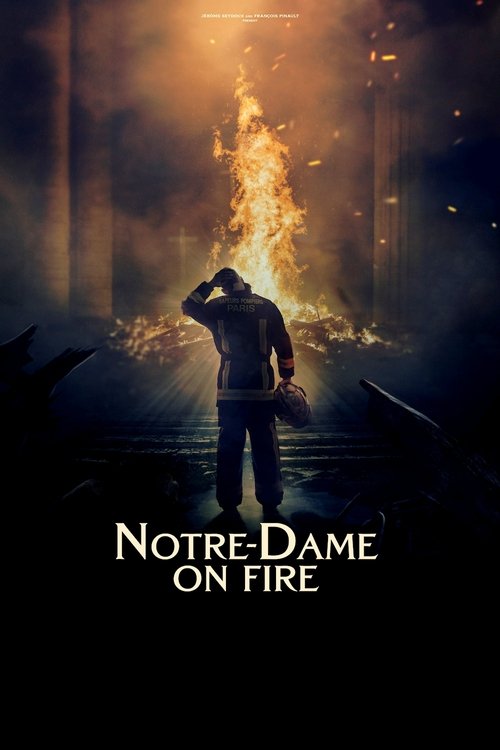
Notre-Dame on Fire operates as a traditional historical drama that prioritizes institutional competence and the preservation of Western cultural heritage. The narrative structure reinforces established structures of authority, duty, and faith, presenting a clear moral binary between order and chaos. It does not engage with the overlapping aspects of identity or challenge traditional power dynamics, instead celebrating the status quo of emergency response and religious heritage. The film’s representation is heavily skewed toward white, male, and heterosexual perspectives, reflecting the specific historical demographics of the 2019 fire. Female characters lack significant influence, existing primarily in supportive roles, while racial and LGBTQ+ identities are entirely absent from the cast and plot. The narrative validates traditional masculine leadership and conservative values, framing the Catholic Church and state institutions as inherently good and competent. From a diversity perspective, the film offers no meaningful engagement with equity or inclusion. It lacks progressive representation, narrative subversion, or critique of systemic inequality. The focus remains on heroic preservation of national identity against a singular threat, reinforcing conservative hierarchies rather than exploring the diverse realities of modern society or the historical event.
Category Breakdown
The film presents a world where LGBTQ+ characters and relationships are completely absent. The fire brigade and church are shown through conservative lenses, where sexual orientation is not relevant to the plot, leading to a total exclusion of queer narratives.
Male characters dominate leadership roles in both the fire brigade and church hierarchy. Female characters are relegated to secondary, supportive, or domestic roles without much influence over the plot. The narrative emphasizes traditional masculine leadership as crucial for managing crises.
The cast is predominantly white, reflecting historical demographics without any effort to diversify. There are no significant characters of color or narratives exploring racial dynamics. This homogeneous portrayal reinforces a narrow, Eurocentric view of the event.
The film strongly promotes traditional Western institutions like the Catholic Church and French emergency services as competent and worthy of preservation. It frames the villain’s critique of consumerism as criminal, celebrating traditional values of duty and faith over modern skepticism.
Disability is entirely absent from the narrative, with no characters portrayed with visible or invisible disabilities. The film fails to include diverse perspectives on human vulnerability beyond the physical dangers of the fire, resulting in a total omission of this identity.
Present on Screen
Limited or Absent
Official Synopsis
A film relating from the inside the Notre-Dame de Paris fire of April 2019.
2016
2019

2025
2012
2008

2016
2021
2019
No reviews yet. Be the first to share your thoughts on this movie!
Use the rating form above to leave a star rating and optional review.