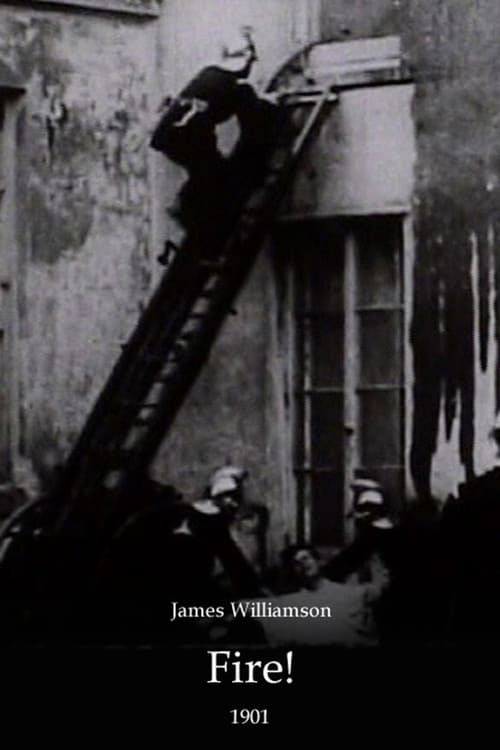
Fire!
1901
No user ratings available yet
Representation score: 1.1 out of 10
Representation Score
Minimal
1904
Runtime
1 minutes
Average Rating
No ratings yetNew Showbiz Analysis
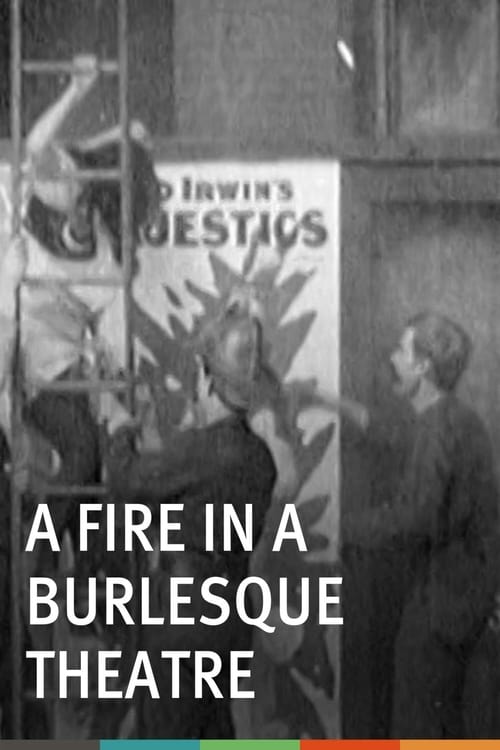
A Fire in a Burlesque Theatre serves as a historical artifact of early commercial cinema, prioritizing spectacle over nuanced representation. The film relies heavily on the 'damsel in distress' cliché, which reduces female characters to passive roles. While the film offers a glimpse into the early 1900s 'blue' movie trends and fire-themed popularity, it does so through a lens of vulnerability and chaos. This reinforces traditional gender hierarchies where men act as protectors and women as those in need of rescue. Ultimately, the work lacks depth in reflecting multiple aspects of identity. It functions as a topical short designed for immediate audience satisfaction rather than a cohesive or diverse narrative.
Category Breakdown
The film does not include any LGBTQ+ characters or narratives. It adheres to the traditional gender roles of the early 20th century.
Women are shown as passive victims needing rescue. The story emphasizes hierarchies by placing male firefighters as the main actors.
There is no indication of racial or ethnic diversity in the cast. The film seems to follow the homogeneous casting practices of 1904.
The production focuses on sensationalism rather than social commentary. It functions as a commercial product catering to the tastes of its time.
The film does not feature any characters with physical or neurodivergent disabilities.
Present on Screen
Limited or Absent
Official Synopsis
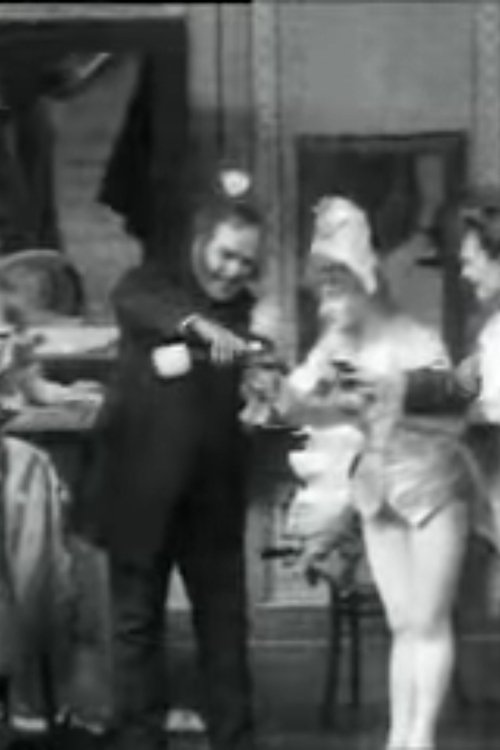
This short, otherwise unremarkable feature is of some interest because of the way that it unabashedly caters to the tastes that it perceived in its audiences. Besides combining the elements of the risqué 'blue' movies of the era with the popularity of movies about fires, it also attempted to use the combination to get extra mileage out of it. The movie's title summarises the setup, and most of the footage shows firefighters using ladders to rescue stage girls, clad in portions of their costumes, from an upper level. Although it all seems pretty tame by today's standards, it no doubt provided its male viewers with some brief moments of excitement as the various women hurried down the ladders with their costumes in disarray.
1901
1931
1904
1923

1933
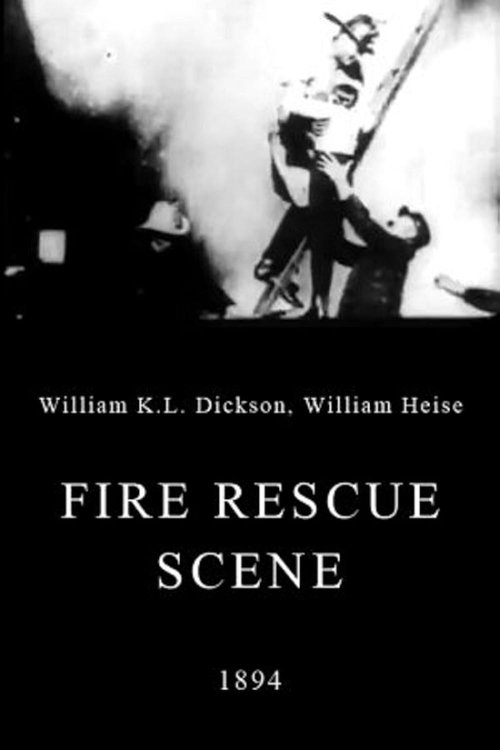
1894
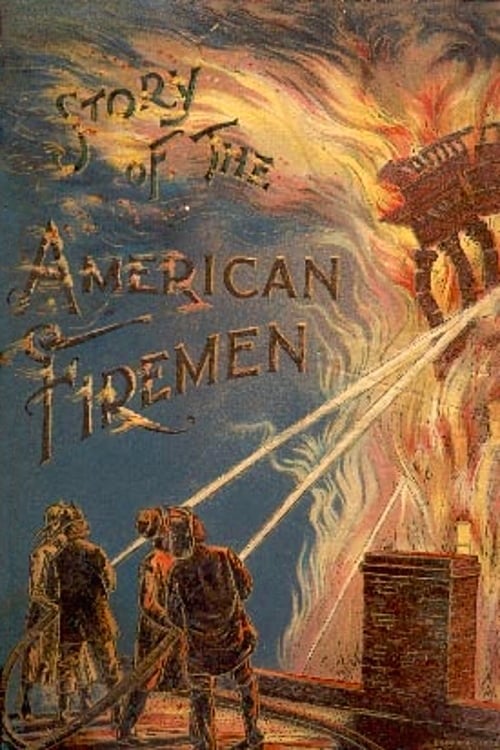
1903
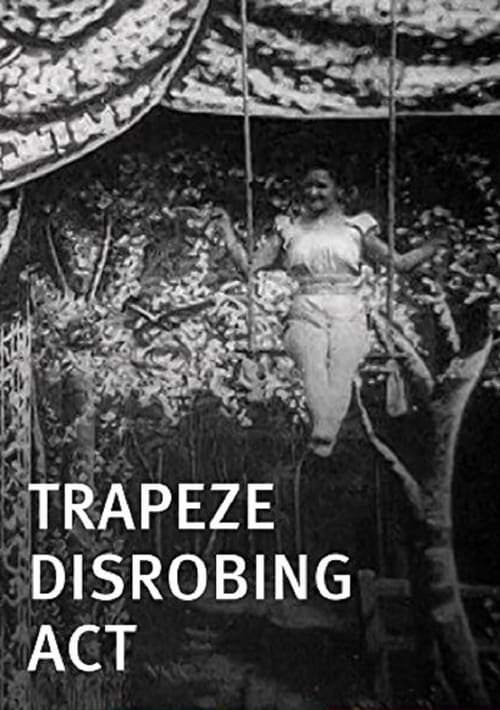
1901
No reviews yet. Be the first to share your thoughts on this movie!
Use the rating form above to leave a star rating and optional review.