Champagne for Breakfast
1935
No user ratings available yet
Representation score: 2.8 out of 10
Representation Score
Minimal
1942
ApprovedDirector
David Miller
Runtime
76 minutes
Average Rating
No ratings yetNew Showbiz Analysis
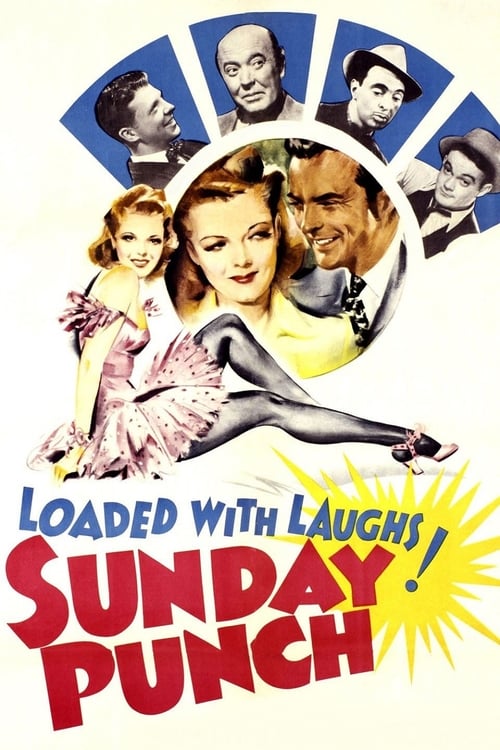
Sunday Punch is a conventional 1940s studio production that reinforces the social and gender hierarchies of its era. The narrative relies on established clichés, using female characters primarily as motivators for male protagonists rather than as independent agents of change. The film lacks meaningful engagement with the overlapping aspects of identity. While it includes a character with Swedish heritage, the social environment remains largely homogeneous and adheres to the standard Anglo-Saxon dominance typical of mid-century Hollywood. Ultimately, the film functions as a period piece that upholds traditional romantic and professional structures. It offers no systemic challenges or progressive social critiques, focusing instead on standard meritocratic and romantic conflicts.
Category Breakdown
The film operates within a strictly heterosexual framework. The plot revolves around a traditional romantic rivalry between two men competing for a woman's affection.
While Ma Galestrum holds authority in her household, the plot is driven by male romantic pursuits. The female lead primarily serves as a catalyst for male character development.
The cast suggests a homogeneous social environment. While the character Ole hints at Swedish heritage, it functions as a simple trait rather than a deep exploration of ethnicity.
The setting reinforces standard 1940s social norms and capitalist structures. The narrative does not challenge Western institutions or the traditional nuclear family model.
There are no visible or invisible disabilities depicted among the primary characters in this story.
Present on Screen
Limited or Absent
Official Synopsis
Ma Galestrum (Connie Gilchrist) is a boardinghouse owner whose tenants are a group of aspiring boxers. When her young niece, Judy (Jean Rogers), comes to stay for a visit, college dropout Ken Burke (William Lundigan) and Swedish janitor Ole (Dan Dailey Jr.) immediately fall for her charms. Ken considers going back to college for Judy, but his fight promoter is less than thrilled with this idea. Meanwhile, Ole is determined to meet Ken in the ring to vie for Judy's heart.
1935
1942
1931
1927
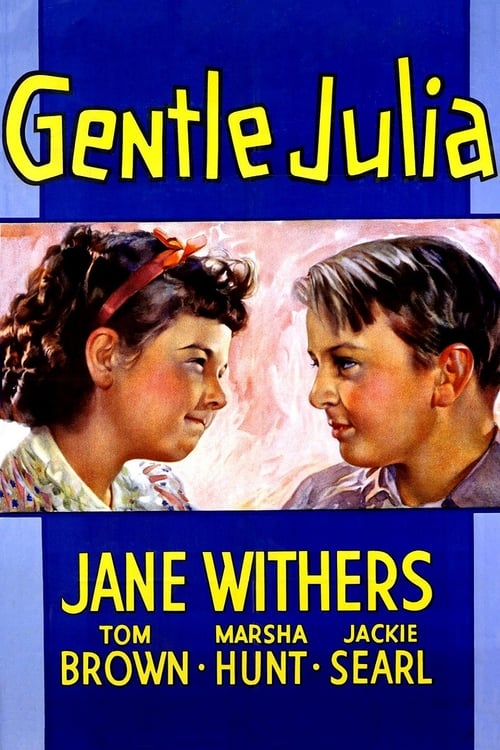
1936
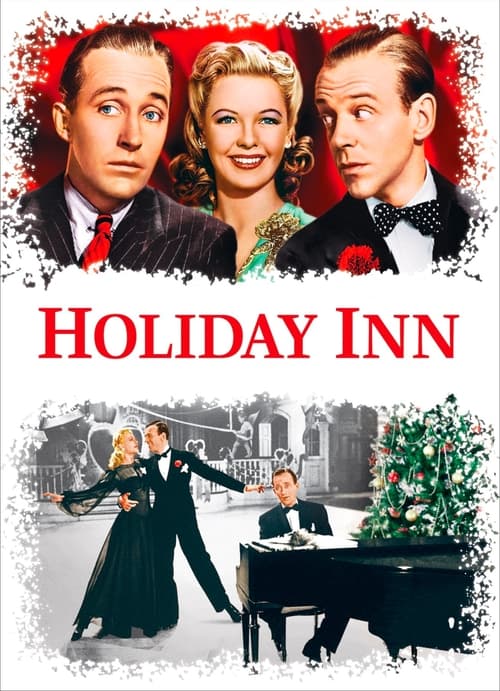
1942
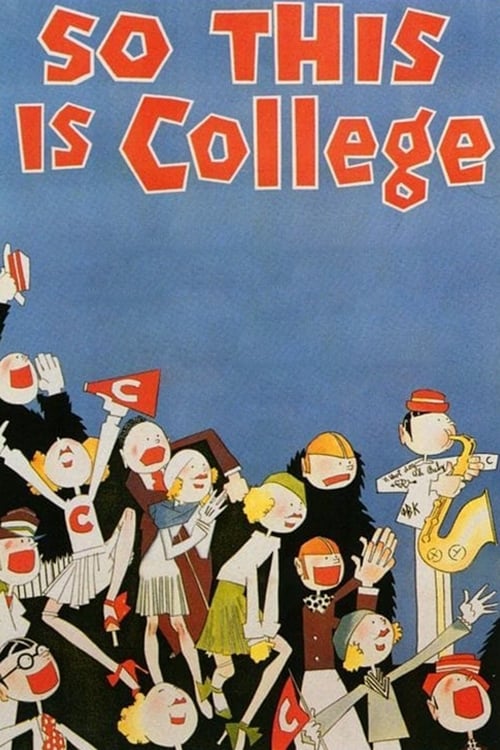
1929
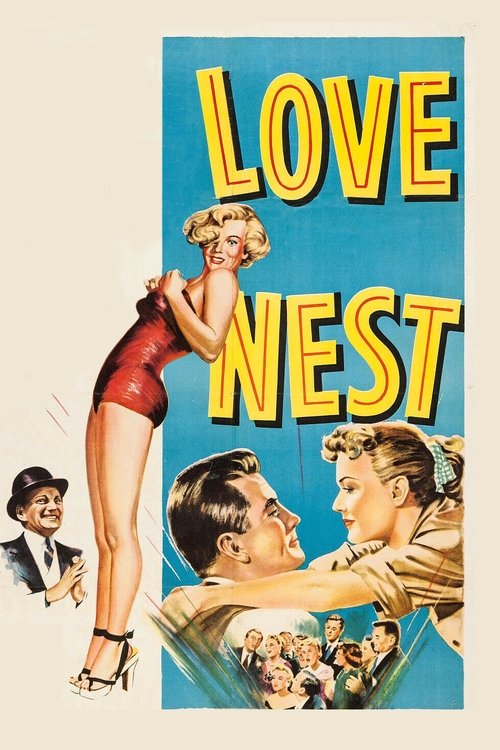
1951
No reviews yet. Be the first to share your thoughts on this movie!
Use the rating form above to leave a star rating and optional review.