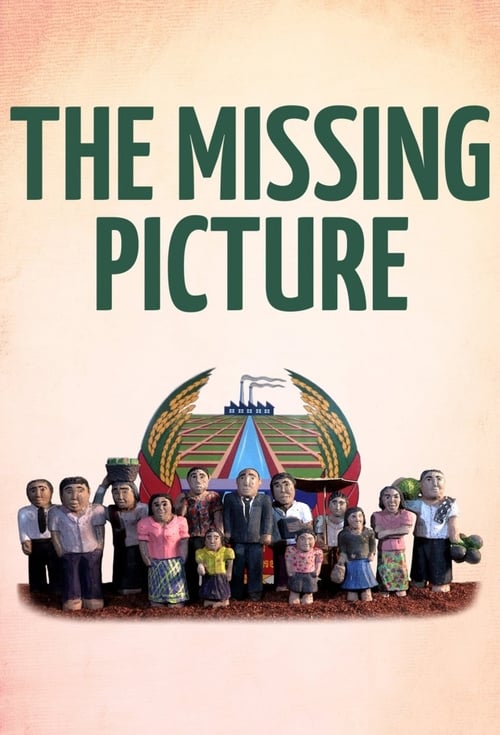
The Missing Picture
2013
No user ratings available yet
Representation score: 9.3 out of 10
Representation Score
Good
1996
Director
Rithy Panh
Runtime
60 minutes
Average Rating
No ratings yetNew Showbiz Analysis
Rithy Panh’s documentary is a profound exercise in post-colonial storytelling, successfully disrupting Western-centric historical narratives. By centering the intellectual and emotional labor of a Cambodian woman, the film restores ability to act to a population facing systemic erasure. The work excels in its commitment to ethnic reclamation and the preservation of Khmer identity. It frames the loss of cultural memory as a systemic tragedy, providing a sophisticated critique of how extremist power dynamics dismantle heritage. While the film lacks explicit LGBTQ+ or disability-focused narratives, its structural focus on resisting state-mandated erasure provides a high level of progressive engagement with underrepresented histories.
Category Breakdown
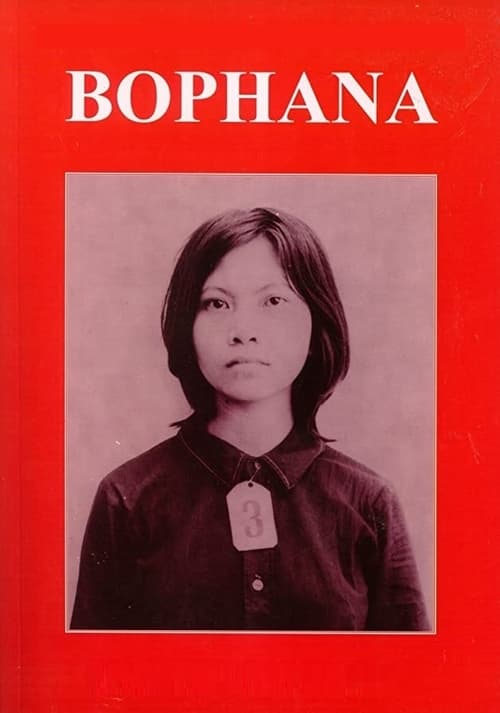
The documentary focuses on the historical reconstruction of Khmer identity and the personal tragedy of Bophana and Sitha. There are no LGBTQ+ characters or narratives in the archival footage or reconstruction.
The film centers on Bophana, a woman whose intellectual labor serves as a vehicle for national preservation. It elevates her from a victim to an active custodian of memory.
This film is an excellent example of non-Western-centric storytelling. It prioritizes Khmer voices and imagery, actively resisting the Western perspective to facilitate ethnic reclamation and cultural preservation.
The narrative engages deeply with post-colonial themes and the struggle of indigenous cultures against radical ideologies. It critiques the destruction of traditional social fabrics caused by extremist agrarianism.
The film does not explicitly center characters with disabilities. However, the depiction of psychological trauma suggests an implicit engagement with the invisible disabilities resulting from genocide.
Present on Screen
Limited or Absent
Official Synopsis
Based upon documentation of forced confessions made during the Khmer Rouge era in Cambodia, this film reconstructs the relationship of a young woman, Hout Bophana, and Ly Sitha before they were tortured in executed in 1977.
2013
1998
2003
1985
2012
2012
2009
2014
No reviews yet. Be the first to share your thoughts on this movie!
Use the rating form above to leave a star rating and optional review.