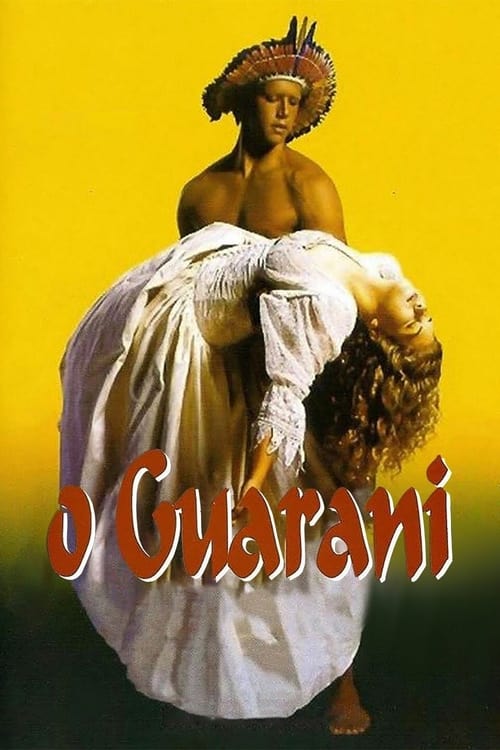
O Guarani
1996
No user ratings available yet
Representation score: 3.0 out of 10

Representation Score
Fair
1966
Director
Joaquim Pedro de Andrade
Runtime
90 minutes
Average Rating
No ratings yetNew Showbiz Analysis
Joaquim Pedro de Andrade employs the Cinema Novo tradition to challenge social hierarchies. By focusing on a forbidden romance, the film questions the conservative atmosphere of 1960s Brazil and the authority of religious institutions. The film effectively positions humanistic experiences against dogmatic adherence. However, it lacks explicit representation of LGBTQ+ identities and provides no information regarding disability. The racial composition of the cast and characters remains unspecified.
Category Breakdown
The film focuses on a romance between a priest and a young woman, highlighting forbidden desires and the policing of intimacy. However, it does not feature explicit LGBTQ+ identities or centered queer narratives.
The narrative disrupts traditional hierarchies by using a woman's influence to destabilize the male protagonist's position within a rigid patriarchal system.
Set in Minas Gerais, the film engages with specific Brazilian regional identities, aligning with the Cinema Novo tradition that reflects local social stratification rather than Eurocentric norms.
The story critiques religious authority by presenting it as a restrictive force. It highlights the tension between individual ability to act and the constraints of institutionalized morality.
The narrative contains no evidence of disability as a central or featured element.
Present on Screen
Limited or Absent
Official Synopsis
In a small town in Minas Gerais, the arrival of a young priest causes a commotion in the conservative atmosphere of the place, aggravated by the sudden attraction this priest feels for a beautiful girl. This forbidden love affair soon turns into an unbridled passion.
1996

2002

1969

1993
1997

1969

2009

1962
No reviews yet. Be the first to share your thoughts on this movie!
Use the rating form above to leave a star rating and optional review.