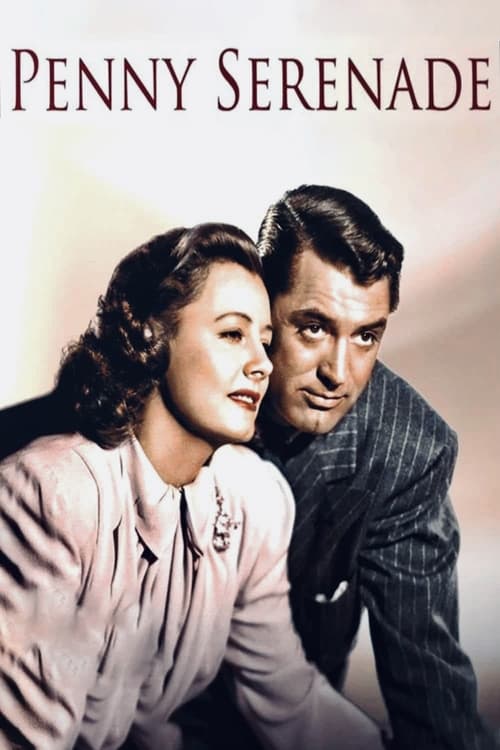
Penny Serenade
1941
No user ratings available yet
Representation score: 1.4 out of 10

Representation Score
Minimal
1950
ApprovedDirector
Mark Robson
Runtime
98 minutes
Average Rating
No ratings yetNew Showbiz Analysis
My Foolish Heart is a period-typical melodrama that focuses on the complexities of individual romantic choices and the social consequences of aging. While it offers a modest degree of ability to act to its female leads by exploring internal desires against social propriety, the film lacks multi-layered depth. The narrative functions as a study of personal sentiment rather than a challenge to Western institutional stability. It remains a traditional story focused on personal emotional stakes within a conventional social framework. Ultimately, the film's lack of racial diversity and systemic subversion limits its progressive impact, staying within the established dramatic conventions of the era.
Category Breakdown
The film stays within the confines of traditional heterosexual relationships and does not include any non-cisgender identities or same-sex relationships. Romantic storylines focus solely on heterosexual couples.
The movie centers on an older woman's romantic autonomy, providing her with a significant role in driving the story. However, it sometimes reinforces the 'suffering woman' cliché through melodramatic elements.
The cast is primarily composed of white, Anglo-Saxon actors. There is no meaningful representation of non-white characters, reflecting the homogeneous social norms of the 1950s.
The film emphasizes individual emotional struggles and adheres to mid-20th-century social values. It does not engage with anti-institutional or secular themes.
There are no visible depictions of physical, sensory, or neurodivergent disabilities in the main character arcs.
Present on Screen
Limited or Absent
Official Synopsis
After a long absence, Mary Jane visits her schoolfriend Eloise, and Eloise's daughter Ramona. Eloise drinks too much and is unhappily married to Lew Wengler. Eloise falls asleep and remembers her time with her true love, Walt Dreiser, at the beginning of the Second World War. She recalls the events that lead up to her split with Mary Jane, and how Lew married Eloise rather than Mary Jane.
1941
1952
1958
1948
1940
1955
1956
1937
No reviews yet. Be the first to share your thoughts on this movie!
Use the rating form above to leave a star rating and optional review.