Leila
2018
No user ratings available yet
Diversity score: 5.8 out of 10
1991
Director
Henri Verneuil
Runtime
157 minutes
Average Rating
No ratings yetSynopsis
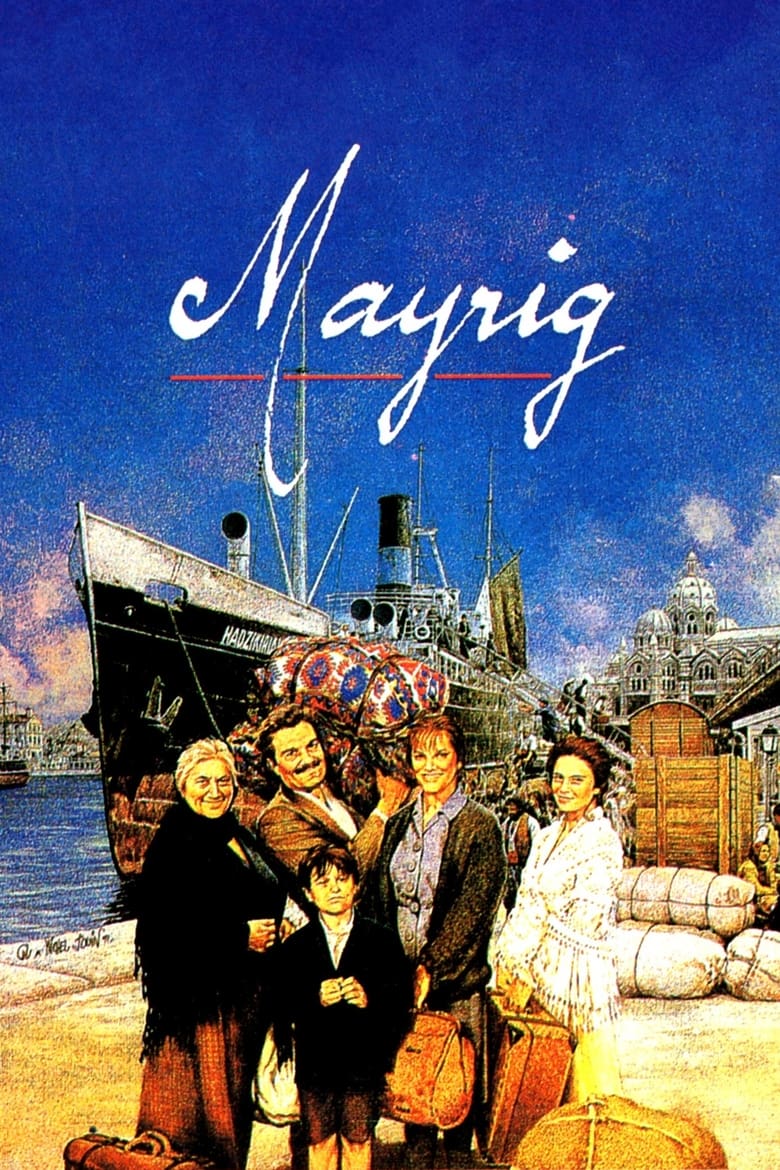
Henri Verneuil was born Achod Malakian of Armenian parentage on October 15, 1920, in Rodosto, Turkey, and his family fled to France and settled in Marseilles when he was a young child. He later recounted his childhood experience in the novel Mayrig, which he dedicated to his mother and made into this 1991 film with the same name.
Overall Score
Good
Category Breakdown
LGBTQ+ Representation
The film focuses on traditional familial structures and the preservation of lineage. It operates within a conventional framework of kinship without exploring non-cisnormative identities.
Gender Representation
The narrative centers the maternal experience as the primary emotional anchor. It elevates the domestic sphere, presenting the female experience as an essential force for cultural survival.
Racial & Ethnic Diversity
The film provides a nuanced portrayal of the Armenian diaspora. It avoids a color-blind approach, instead leaning into the specificities of ethnic identity and the immigrant experience.
Religious & Cultural Diversity
The story explores the tension between ancestral heritage and French assimilation. It frames the preservation of culture as a necessary act of resistance against erasure.
Disability Representation
There are no prominent depictions of physical or neurodivergent disabilities. Characters with disabilities are not utilized as central plot devices within the narrative.
Strengths
Areas for Improvement
AI Analysis
Mother (Mayrig) is a deeply personal exploration of displacement and ethnic identity. By centering the Armenian diaspora, the film challenges the homogeneity of European narratives and provides a vital look at the immigrant experience. The film's strength lies in its subversion of gendered domesticity. Rather than treating the maternal role as passive, it positions the mother as the structural and emotional anchor of the story, granting her profound agency. However, the film remains limited by its adherence to traditional social frameworks. It lacks engagement with contemporary discourses regarding LGBTQ+ identities or disability representation, focusing instead on biological continuity and kinship.
2018
1977
1957

1992
2013
2008
1985
1998
2006
2003
2015
1975
No reviews yet. Be the first to share your thoughts on this movie!
Use the rating form above to leave a star rating and optional review.