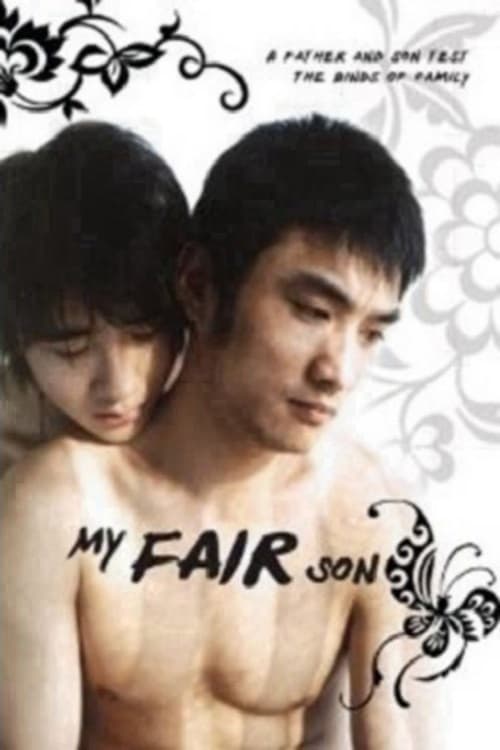
My Fair Son
2007
No user ratings available yet
Representation score: 5.6 out of 10
Representation Score
Limited
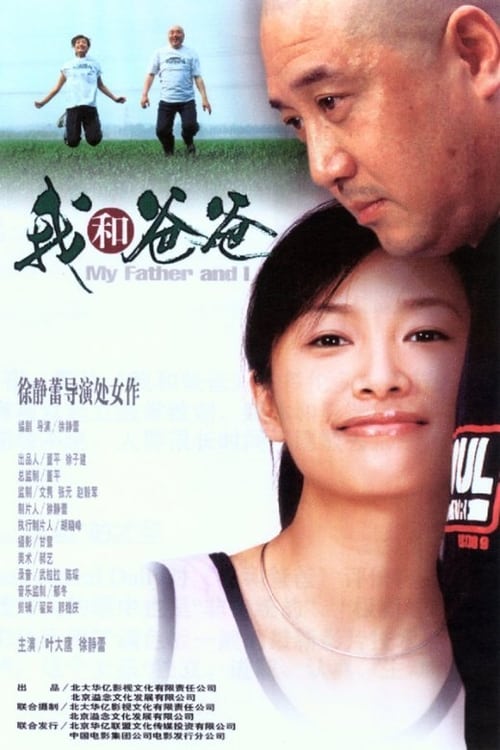
2003
Director
Xu Jinglei
Runtime
98 minutes
Average Rating
No ratings yetNew Showbiz Analysis
My Father and I is a humanist exploration of domestic life that prioritizes interpersonal connections over disrupting social hierarchies. The film functions as a quiet, realist character study centered on the gradual development of mutual respect between generations. While the film offers a meaningful look at the emotional complexities of daughterhood and paternal bonding, it does not actively engage with identity politics or multi-layered frameworks. It maintains a traditional focus on familial continuity and emotional stability rather than deconstructing social institutions.
Category Breakdown
The film focuses entirely on a relationship between a father and daughter, with no representation of LGBTQ+ identities or non-conforming gender perspectives.
The story centers on the daughter's emotional role and perspective. By portraying the father as a nurturing figure, the film avoids rigid, traditional masculine stereotypes.
The cast and setting are culturally uniform, providing an authentic depiction of a specific Chinese urban experience without blending different racial backgrounds.
The narrative emphasizes traditional values regarding familial stability and respect for parents, prioritizing social cohesion and the importance of the family unit.
There are no central characters or plot points involving physical or neurological disabilities within the narrative.
Present on Screen
Limited or Absent
Official Synopsis
After Xiao Yu's mother died in an accident, she moved back to live with her birth father who she knows little about. Gradually, they grew to know each other and to accept each other for who they are.
2007
1997

2009
1957
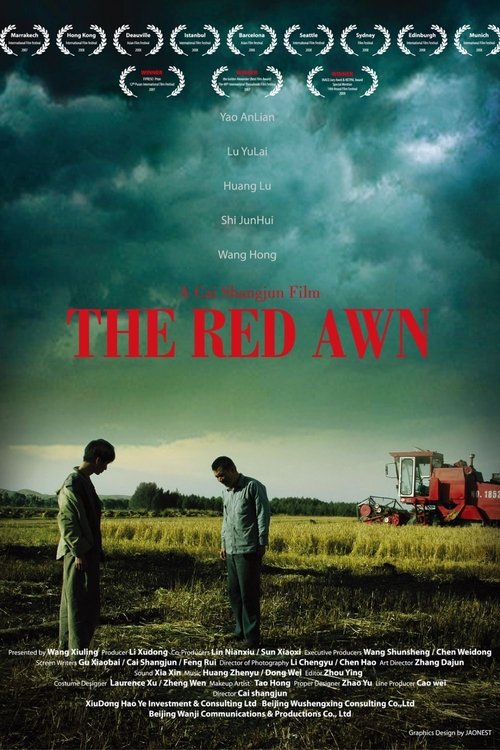
2007

1989
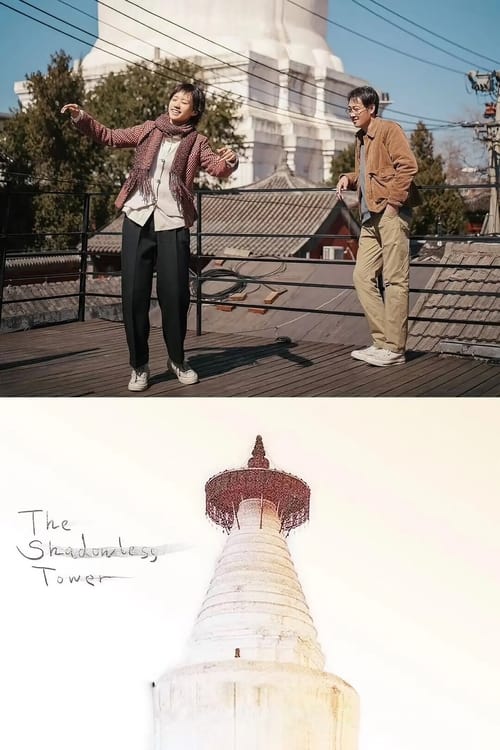
2023

2003
No reviews yet. Be the first to share your thoughts on this movie!
Use the rating form above to leave a star rating and optional review.