
The Albanian
2010
No user ratings available yet
Diversity score: 5.1 out of 10
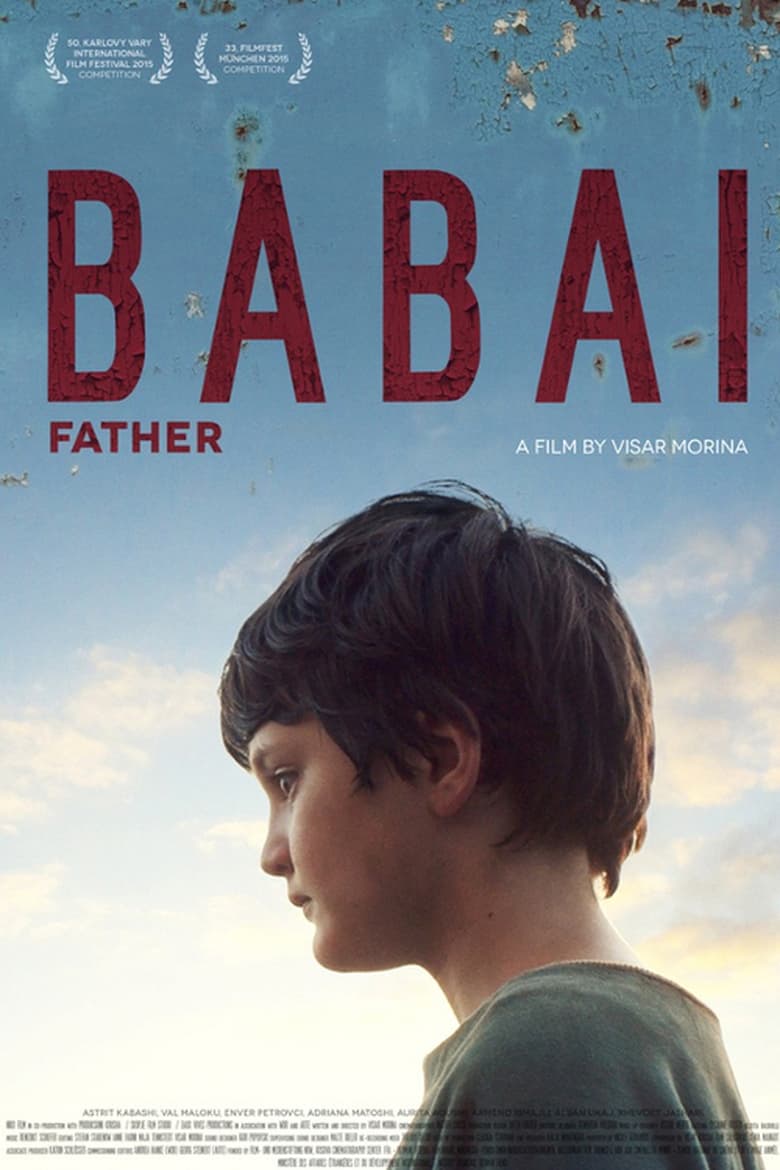
2015
Director
Visar Morina
Runtime
104 minutes
Average Rating
No ratings yetSynopsis
10-year-old Nori is obliged to grow up at a very young age after the early death of his mother and then being abandoned by his father Gezim in the Kosovo of the 1990s.After a dangerous and eventful journey, Nori finally arrives in Germany and is reunited with his father, but he cannot understand how Gezim could just have left him. And chances of them being able to stay in Germany look bleak when Gezim’s application for asylum is rejected.
Overall Score
Fair
Category Breakdown
LGBTQ+ Representation
The film lacks LGBTQ+ characters or explorations of non-cisnormative identities. It focuses strictly on heteronormative structures and the biological bond between father and son.
Gender Representation
The narrative is defined by patriarchal hierarchies and restrictive domestic roles for women. It depicts the psychological toll of these structures without actively subverting them through female agency.
Racial & Ethnic Diversity
The film provides authentic ethnic specificity by centering an ethnic Albanian cast. It offers a deep, non-Western perspective on global displacement and systemic barriers.
Religious & Cultural Diversity
The story explores the friction between traditional Balkan customs and modern migration. It depicts the breakdown of traditional family units and the weight of cultural honor.
Disability Representation
There is no evidence of visible or invisible disabilities serving as central plot devices or character traits.
Strengths
Areas for Improvement
AI Analysis
Babai is a raw, ethnographically authentic portrait of the Kosovar migrant experience. It succeeds by providing a necessary counter-narrative to Western-centric cinema, focusing on the specific socio-political history of the Balkans and the harsh realities of asylum rejection. However, the film's progressive impact is limited by its adherence to traditional gender hierarchies. The narrative depicts the weight of patriarchal roles and the pressure of family honor rather than deconstructing these masculine structures or highlighting female agency. Ultimately, the film's strength lies in its unvarnished depiction of cultural friction. While it lacks intersectional representation regarding LGBTQ+ or disability identities, it offers a profound look at a non-Western struggle for agency.
2010
1957
2009
2013

2009
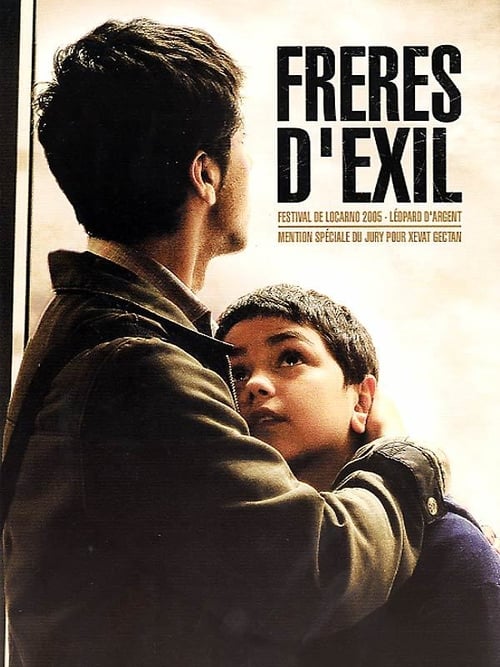
2005
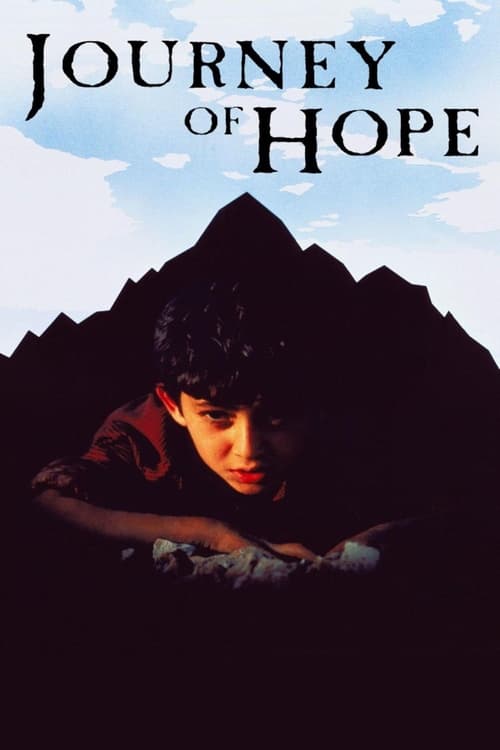
1990

2010
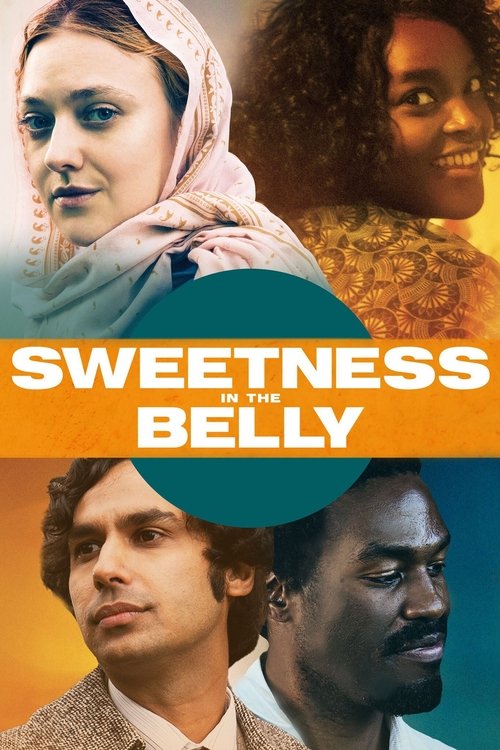
2019

2019
2013
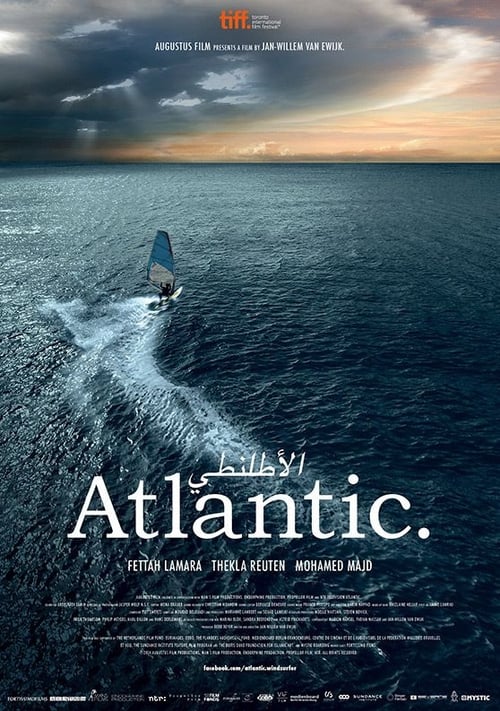
2014
No reviews yet. Be the first to share your thoughts on this movie!
Use the rating form above to leave a star rating and optional review.