Strawman
1987
No user ratings available yet
Representation score: 3.4 out of 10
Representation Score
Good
1992
Director
Zhang Jianya
Runtime
94 minutes
Average Rating
No ratings yetNew Showbiz Analysis
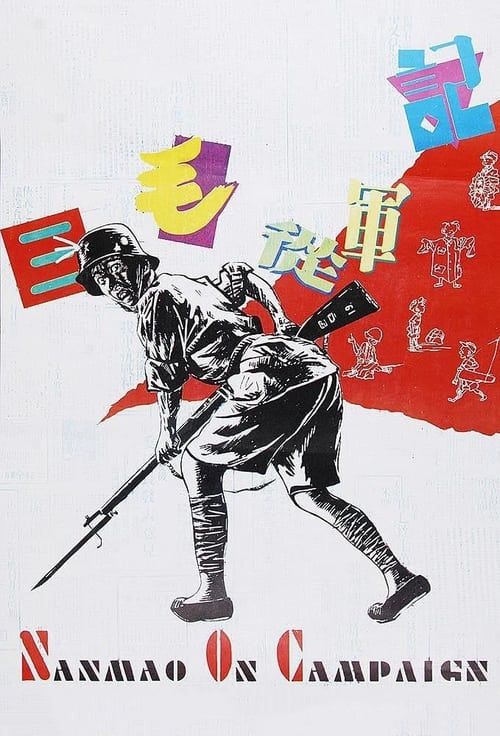
Sanmao Joins the Army is a historical film set in the context of the Second Sino-Japanese War. It focuses on the collective struggle of the nation rather than individual identity issues. The film effectively captures the Chinese experience and the impact of war on traditional social structures. It uses the protagonist's background as an orphan to explore themes of community rebuilding. However, the film lacks complexity in representing diverse identities. It adheres to traditional gender roles and doesn’t include specific representations of LGBTQ+ identities or physical and mental disabilities.
Category Breakdown
The film doesn't include explicit LGBTQ+ characters or stories that go against the assumption that everyone is straight or cisgender. It follows the social norms of 1937 China and the time it was made.
The story focuses on a male character and military leadership. Women are part of the wartime society, but the main actions and decisions are driven by men.
The film looks closely at Chinese identity during a time of national struggle. It highlights a strong ethnic unity through the lens of fighting against invaders.
The story shows how traditional family life breaks down due to war. It presents family as something rebuilt through shared struggles against foreign powers.
The main character's status as a wandering orphan hints at social hardships. However, there is no specific mention of physical or mental disabilities.
Present on Screen
Limited or Absent
Official Synopsis
In 1937, after the Marco Polo Bridge Incident, the Second Sino-Japanese War breaks out. San Mao, a wandering orphan, joins the army to participate in the Battle of Shanghai.
1987

2020
1986
2007
2016
1963

1995
1986
No reviews yet. Be the first to share your thoughts on this movie!
Use the rating form above to leave a star rating and optional review.