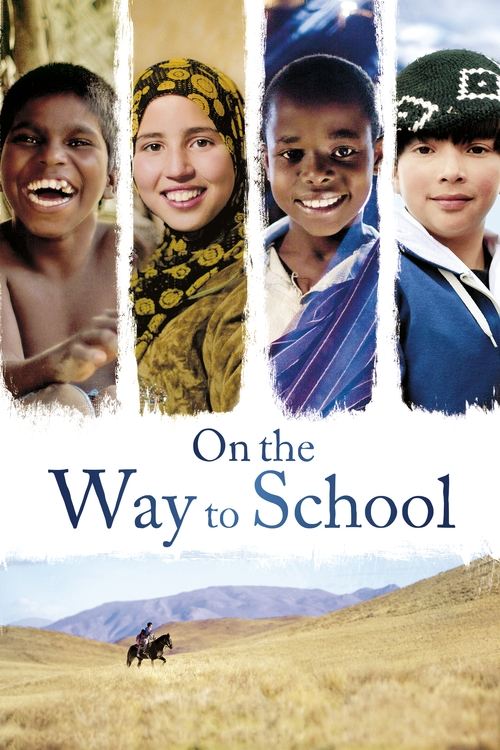
On the Way to School
2013
No user ratings available yet
Representation score: 6.6 out of 10

Representation Score
Good
2016
PGDirector
Nina Chaudry
Runtime
85 minutes
Average Rating
No ratings yetNew Showbiz Analysis
Time for School is a compelling longitudinal study that shifts the focus away from Western-centric educational narratives. By following five children over thirteen years, the film offers a profound look at how systemic instability impacts human development. The documentary stands out for its broad racial and ethnic representation, providing a global perspective that avoids the usual focus on Anglo-Saxon cultures. It effectively highlights the intersection of poverty, war, and gendered barriers. While the film provides deep insights into socioeconomic and cultural struggles, it lacks specific representation of LGBTQ+ identities and disabilities. However, its commitment to highlighting narratives from the Global South makes it a vital piece of social documentary.
Category Breakdown
The film does not explicitly depict non-binary gender identities or same-sex relationships among its characters.
The documentary highlights the challenges faced by young girls, such as early marriage in Benin and Afghanistan. It critiques patriarchal constraints and emphasizes the importance of female empowerment.
The film showcases exceptional diversity through its protagonists from Benin, Brazil, India, Kenya, and Afghanistan. It effectively shifts the focus away from Western perspectives to highlight non-Western lived experiences.
The narrative critiques how global conflicts and poverty affect individuals' lives. It highlights systemic issues and the chaos of war as major obstacles to personal development.
There is no mention of characters dealing with physical, cognitive, or mental health conditions. Therefore, there is no information available to assess this category.
Present on Screen
Limited or Absent
Official Synopsis
Time for School is the stories of five kids in five countries who are struggling against the odds to get a basic education. These children live in countries where poverty, child labor, early marriage, and the chaos of war prevent legions of young people from getting an education. Time for School follows Nanavi in Benin, Jefferson in Brazil, Neeraj in India, Joab in Kenya, and Shugufa in Afghanistan during their first days of school and then for the next 12 years.
2013
2002

2021
2010

2005

2015
2015
2004
No reviews yet. Be the first to share your thoughts on this movie!
Use the rating form above to leave a star rating and optional review.