Waiting for "Superman"
2010
No user ratings available yet
Representation score: 6.4 out of 10

Representation Score
Fair
2015
PG-13Director
Davis Guggenheim
Runtime
87 minutes
Average Rating
No ratings yetNew Showbiz Analysis
Davis Guggenheim presents a compelling piece of storytelling that centers a underrepresented voice. By framing the fight for education as a battle for ability to act against patriarchal and religious control, the film challenges conventional Western portrayals of victimhood. The documentary excels by offering a deep, nuanced exploration of Pashtun identity and the specific cultural complexities of the Swat Valley. It examines how individuals navigate local traditions and global political structures. While the film lacks LGBTQ+ or specific disability-focused narratives, its strength lies in its ability to deconstruct oppressive social hierarchies. It emphasizes individual empowerment and global human rights over traditional authority structures.
Category Breakdown
The documentary does not include any LGBTQ+ characters or narratives. Instead, it focuses on the intersection of gender, religion, and education within a specific geopolitical context.
The film highlights Malala Yousafzai's active role in driving social change, portraying her as a leader rather than a passive figure. It emphasizes the tension between restrictive norms and her pursuit of intellectual freedom.
The film offers a detailed look at Pashtun identity and the cultural specifics of the Swat Valley. It shifts the focus away from a Western perspective to center a non-Western protagonist and her unique viewpoint.
The documentary critiques extremist religious authority, presenting the Taliban's interpretations as oppressive tools. It prioritizes universal human rights and secular education over strict local rules.
The film documents physical injuries and recovery but focuses on psychological and political resilience. It avoids overly inspirational depictions, treating physical struggles as part of a broader political narrative.
Present on Screen
Limited or Absent
Official Synopsis
A look at the events leading up to the Taliban's attack on the young Pakistani school girl, Malala Yousafzai, for speaking out on girls' education and the aftermath, including her speech to the United Nations.
2010
2015
2004
2018
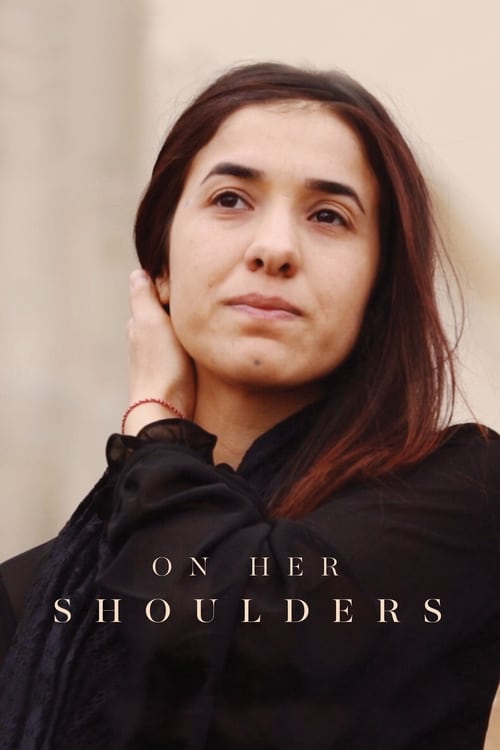
2018

2017
2013
2019
No reviews yet. Be the first to share your thoughts on this movie!
Use the rating form above to leave a star rating and optional review.