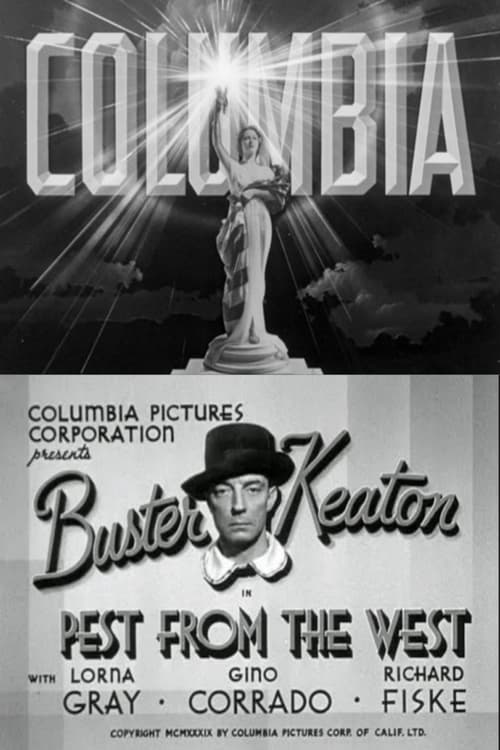
Pest from the West
1939
No user ratings available yet
Representation score: 0.6 out of 10
Representation Score
Limited
1933
PassedDirector
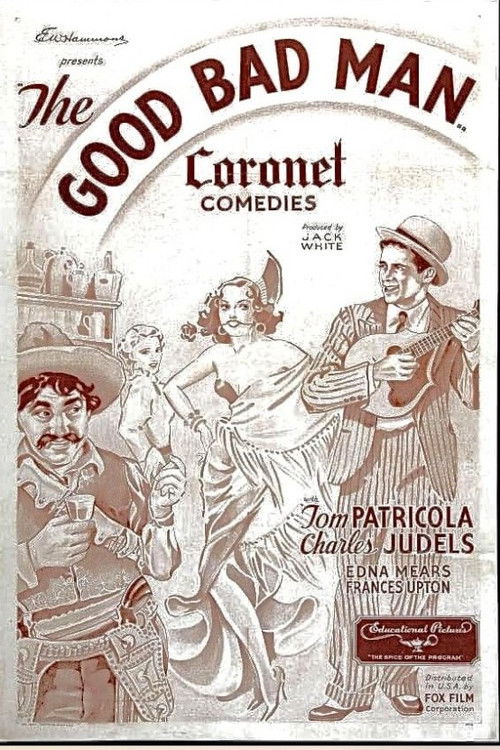
Jack White
Runtime
14 minutes
Average Rating
No ratings yetNew Showbiz Analysis
The Good Bad Man is a typical 1930s comedy that relies on well-established period clichés. The plot revolves around male romantic pursuits and stereotypical character roles, offering little in the way of social disruption. Though the setting offers a non-Anglo-Saxon backdrop, the characters often fall into predictable patterns. The film prioritizes physical humor and romantic comedy over deeper character development or challenging traditional social hierarchies. Overall, the film serves as standard entertainment of its time, lacking the depth or ability to act needed to challenge the status quo.
Category Breakdown
The film does not include any representation of non-straight or non-cisgender identities. It focuses solely on traditional heterosexual relationships.
Women are primarily portrayed as objects of desire for the male protagonist. Characters such as Rosebud and the local vixen are defined by their physical appearance rather than their intellect.
Set in Mexico and featuring a Pancho Villa-like figure, the film relies on familiar archetypes. It lacks characters of color who play a significant role in driving the story or complex characters who reflect more than one aspect of diversity.
The story leans on clichés of lawlessness and violent antagonists. It adheres to conventional 1930s morality without critiquing broader societal issues.
There are no characters with physical, sensory, or neurodivergent disabilities in the film.
Present on Screen
Limited or Absent
Official Synopsis
The film is set in Mexico. General Pancho is some sort of despot...sort of a Pancho Villa-type. When he arrives in town, some folks are scared...but a local vixen is excited as she thinks violent thugs are hot. Soon after Pancho arrives and shoots a man in the butt for no apparent reason, two singers/dancers, Dolittle and Rosebud, arrive. Rosebud is a hot woman...and General Pancho spends the rest of the time trying to woo her as Dolittle woos the vixen.
1939
1933
1953
1940
1982
1939
1969

1940
No reviews yet. Be the first to share your thoughts on this movie!
Use the rating form above to leave a star rating and optional review.