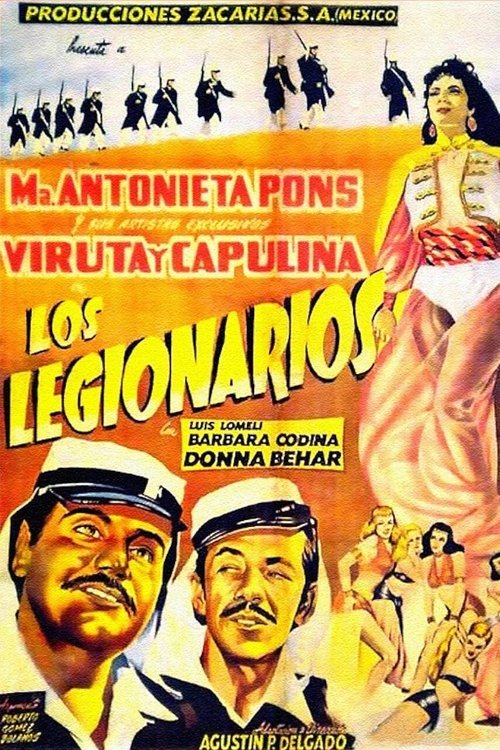
Los legionarios
1958
No user ratings available yet
Representation score: 3.0 out of 10

Representation Score
Limited
1969
GDirector
Jerry Paris
Runtime
93 minutes
Average Rating
No ratings yetNew Showbiz Analysis
Viva Max! operates as a traditional comedy of the late 1960s, relying heavily on established historical and gendered clichés. Although it includes a Mexican protagonist, these elements serve mainly for situational humor rather than meaningful representation. The film’s structure reinforces traditional hierarchies. The central conflict revolves around male conquest and the pursuit of validation from a female counterpart, offering limited opportunities to challenge male dominance or elevate female influence. Overall, the work provides some ethnic inclusion but falls short in challenging institutional norms or presenting diverse viewpoints beyond its comedic premise.
Category Breakdown
The film does not include any LGBTQ+ characters or narratives. It follows traditional heterosexual relationship structures.
The story focuses on a male protagonist's journey for success. The female character supports his goals, reinforcing traditional gender roles and male dominance.
The film features a Mexican protagonist and a cross-border storyline. These elements are used primarily for comedic situations rather than deep character development.
The narrative emphasizes nationalistic pride and military heroism related to the Alamo. It follows traditional Western historical themes without exploring secular or anti-Western perspectives.
There are no characters with visible or invisible disabilities mentioned in the narrative.
Present on Screen
Limited or Absent
Official Synopsis
In order to prove his greatness to his unimpressed girlfriend, Mexican general Max takes a group of men across the border and recaptures the Alamo - international hijinks ensue!
1958
1959
1960
1968
1963

1965
1982
1970
No reviews yet. Be the first to share your thoughts on this movie!
Use the rating form above to leave a star rating and optional review.