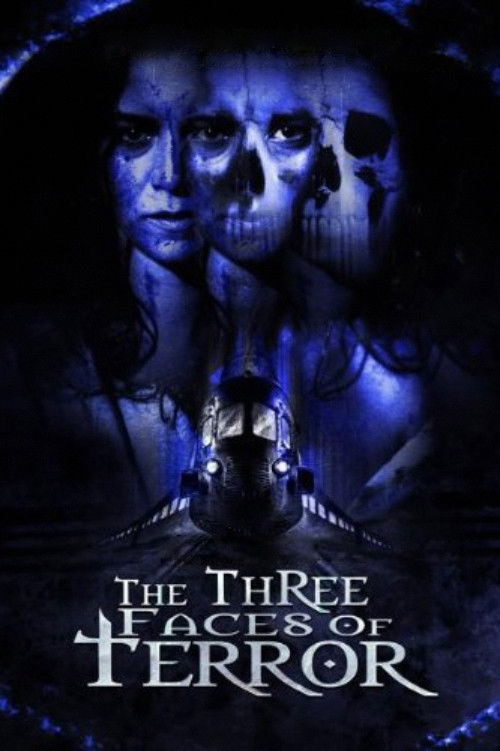
The Three Faces of Terror
2004
No user ratings available yet
Representation score: 4.1 out of 10

Representation Score
Good
1985
RDirector
Tom McGowan, Jay Schlossberg-Cohen, Phillip Marshak, Gregg Tallas, John Carr
Runtime
98 minutes
Average Rating
No ratings yetNew Showbiz Analysis
Night Train to Terror is an experimental horror film that prioritizes theological subversion over traditional demographic representation. By framing its vignettes through a debate between God and Satan, the film challenges established Western moral and religious frameworks. The narrative structure leans towards a postmodernist critique, questioning the authority of institutions like psychiatry and organized religion. This creates a space for intellectual diversity even when specific character identities remain unconfirmed. However, the film lacks clear evidence of racial or gender-specific ability to act. While it succeeds in deconstructing social hierarchies, it remains ambiguous regarding the diverse identities of its characters.
Category Breakdown
The film uses a theological framework involving God and Satan to frame its vignettes. While specific character identities are not detailed, the narrative structure hints at the possibility of challenging traditional religious norms related to sexual orientation.
The story centers around divine and infernal forces rather than traditional gender roles. Settings such as an insane asylum and a death club emphasize psychological states over conventional gender dynamics.
There is no verifiable evidence regarding the racial composition of the cast or characters. The abstract settings of the vignettes do not provide clear indicators of intentional ethnic representation.
The film disrupts conventional Christian morality by focusing on a dialogue between God and Satan. This approach questions traditional Western religious and psychiatric institutions through a lens of moral relativism.
An insane asylum vignette highlights the exploration of mental health and neurodivergence. The film examines underrepresented psychological states, shifting away from typical horror clichés to investigate institutional treatment.
Present on Screen
Limited or Absent
Official Synopsis
God and Satan are on a train discussing the fate of three individuals. The stories of the people in question are told in a trio of very strange vignettes. One involves an insane asylum with some very interesting treatment plans. Another involves a 'death club'. The final story shows us the adventures of a server of Satan.
2004

1963
1975
1968
1972
1973

1989
1965
No reviews yet. Be the first to share your thoughts on this movie!
Use the rating form above to leave a star rating and optional review.