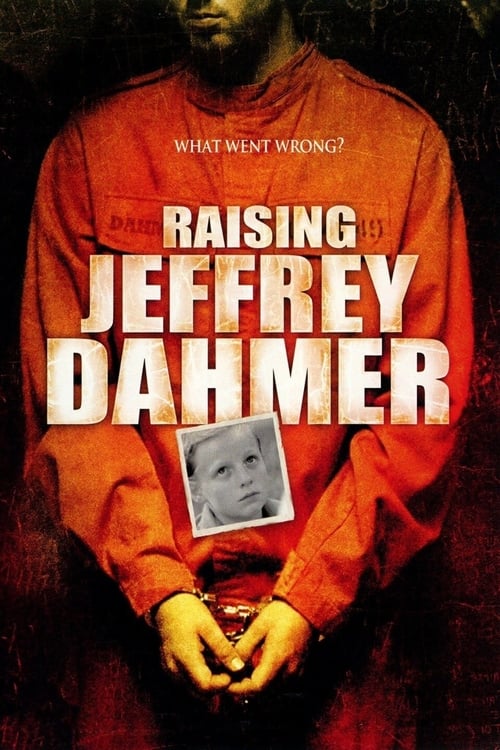
Raising Jeffrey Dahmer
2006
No user ratings available yet
Representation score: 2.9 out of 10

Representation Score
Limited
1987
Director
Olivier Smolders
Runtime
16 minutes
Average Rating
No ratings yetNew Showbiz Analysis
This transgressive short film prioritizes exploring human pathology over social representation. It uses a true-crime framework to examine the breakdown of social and biological boundaries through cannibalism. While it includes a Japanese protagonist in a European setting, it does not challenge systemic structures. Instead, it focuses on individual deviance. Ultimately, the work reinforces a predatory power dynamic, examining morality through a singular, violent interaction without offering a nuanced social critique.
Category Breakdown
The film does not include any LGBTQ+ characters or narratives. The story revolves around a single, deviant relationship.
The story centers on a male protagonist's control, even though his actions are pathological. A female character is shown as a victim of violence without challenging traditional gender roles.
The film features a Japanese protagonist in a Western setting, blending cultures. However, this blend is tied to a narrative of breaking rules.
The story challenges Western social norms by focusing on a crime that defies traditional ethics. It examines individual psychological issues rather than societal structures.
The film does not depict any physical disabilities, mental health conditions, or neurodivergence with meaningful depth.
Present on Screen
Limited or Absent
Official Synopsis
Based on the real life story of Sagawa, a Japanese student who killed, dismembered and ate a young Dutch girl in Paris.
2006
1986

2006
1974

1988
1999

1993

2007
No reviews yet. Be the first to share your thoughts on this movie!
Use the rating form above to leave a star rating and optional review.