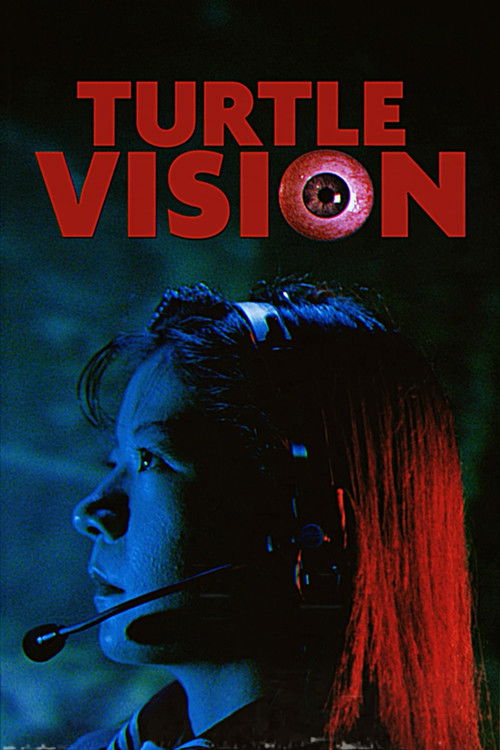
Turtle Vision
1991
No user ratings available yet
Representation score: 6.8 out of 10
Representation Score
Fair
1967
Director
Seiichi Fukuda
Runtime
76 minutes
Average Rating
No ratings yetNew Showbiz Analysis
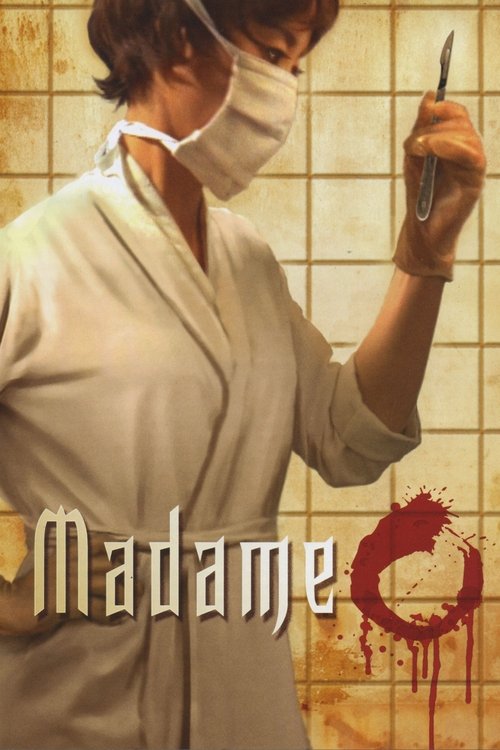
Madame O is a dark psychological drama centered around a woman navigating the tension between professional respectability and personal survival. The film's main strength lies in its subversion of traditional gender roles, presenting a powerful female protagonist who faces significant challenges. While the film effectively portrays female empowerment and social critique, it remains constrained by its era's cultural limitations. The narrative adheres to a traditional straight-centered framework and lacks explicit LGBTQ+ representation or racial diversity. Overall, the film serves as a nuanced examination of situational ethics. It employs a dual-identity narrative to question the sanctity of middle-class institutions and traditional morality.
Category Breakdown
The film focuses on a central romantic relationship and marriage. Though it doesn't explicitly show non-straight relationships, the protagonist's dual identity hints at a deeper exploration of identity performance.
The movie challenges traditional gender roles by giving the female lead significant power. She uses both her medical knowledge and her sexuality to gain control and seek revenge.
As a 1967 Japanese production, the cast is culturally uniform. However, the story provides insights into class-based divisions and the social undercurrents of mid-20th century Japan.
The film criticizes societal institutions by showing deviant behavior as a reaction to systemic violence. It questions the traditional family unit's stability through its central marriage.
There is no depiction of physical or mental disabilities within the narrative.
Present on Screen
Limited or Absent
Official Synopsis
After being brutally gang-raped, a young girl grows into a woman with a double life: She's a well-to-do doctor by day and, by night, a revenge-driven streetwalker who uses sex as a weapon. That all changes when she finally falls in love and begins a new life with her husband -- only to discover that he has a troubling secret of his own.
1991
1978
1985
2011
1982
1972

2000

1987
No reviews yet. Be the first to share your thoughts on this movie!
Use the rating form above to leave a star rating and optional review.