Rawhide Mail
1934
No user ratings available yet
Representation score: 0.6 out of 10
Representation Score
Minimal
1936
NRDirector
S. Roy Luby
Runtime
60 minutes
Average Rating
No ratings yetNew Showbiz Analysis
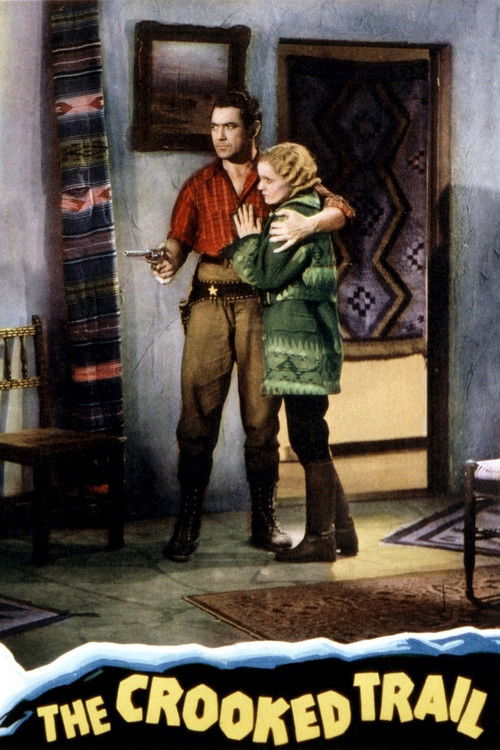
The Crooked Trail is a typical B-Western that adheres closely to the social and racial hierarchies of the 1930s. The narrative is built around traditional masculine archetypes, focusing on the moral conflict between partners and the pursuit of gold. While Helen provides a brief moment of women's ability to drive the story by actively working to expose the antagonist, the broader scope remains centered on male-driven action and conventional frontier justice. The lack of diverse identities or multi-layered complexity makes it a quintessential product of its era. Ultimately, the film reinforces the period's dominant social structures rather than challenging them.
Category Breakdown
The film follows a strictly heterosexual structure, focusing on male partnerships and domestic ties without depicting any non-traditional gender identities or same-sex relationships.
Gender roles follow traditional hierarchies. Helen takes a leading role by planning to expose the outlaw, but the story primarily centers on masculine themes of mining and frontier justice.
The narrative reflects the homogeneous demographic standards of 1936, lacking any non-white characters with significant roles or ability to act. The story favors a strictly Anglo-Saxon frontier perspective.
The story emphasizes traditional Western values like individualist morality and property protection. It reinforces 1930s clichés regarding social order and frontier justice.
There is no evidence of characters navigating physical or neurodivergent disabilities. The plot focuses instead on the physical prowess required for survival.
Present on Screen
Limited or Absent
Official Synopsis
After Jim Blake saves Harve Tarlton's life, they become partners in a gold mining claim. After a while Harve reverts to his outlaw way of life. Everyone but Jim seems to know that Harve is bad but Jim merely thinks he needs a chance to go straight. But Jim's wife Helen has a plan to expose Harve as the outlaw he is.
1934
1931
1943
1936
1936
1933
1922
1930
No reviews yet. Be the first to share your thoughts on this movie!
Use the rating form above to leave a star rating and optional review.