Hieronymus Bosch: Touched by the Devil
2015
No user ratings available yet
Representation score: 4.5 out of 10
Representation Score
Fair
1991
Director
Olivier Smolders, Johan Van den Driessche
Runtime
26 minutes
Average Rating
No ratings yetNew Showbiz Analysis
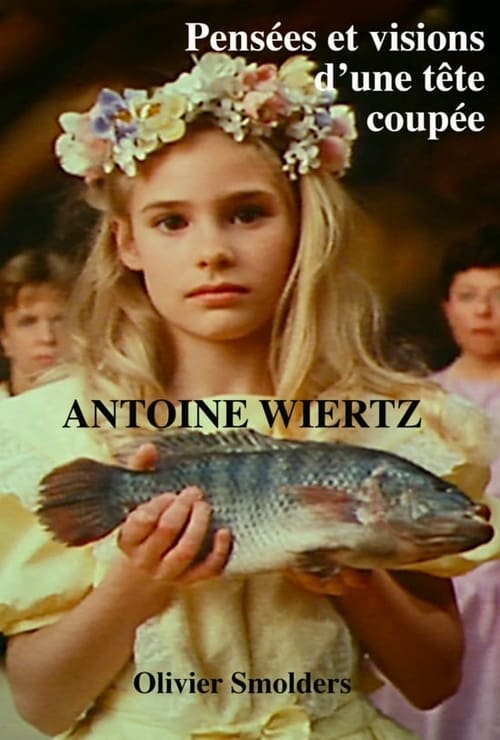
Thoughts and Visions of a Severed Head is a specialized, experimental documentary that deconstructs traditional narrative structures. It succeeds in challenging conventional aesthetic values through its surrealist approach to the life of Antoine Wiertz. However, the film is deeply constrained by its historical subject matter. The focus on a 19th-century European male artist results in a lack of diverse representation across gender, race, and sexual orientation. While the film explores the human condition through themes of torment and physical fragility, it lacks the broad-spectrum diversity required for a higher score.
Category Breakdown
The film focuses on the macabre art of Antoine Wiertz. There is no explicit evidence of LGBTQ+ characters or narratives addressing non-straight relationships.
The narrative centers on the life and works of a male artist. It prioritizes a biographical lens focused on a singular male figure without giving much attention to female roles.
As a Belgian production centered on a 19th-century European painter, the film reflects the homogeneous demographic of that era. It maintains a traditional Eurocentric historical focus.
The work challenges conventional beauty by focusing on torment and death. It prioritizes a visceral, secular, or nihilistic philosophical framework over traditional religious themes.
The film explores physical suffering and the fragility of the human body through grotesque art. It remains unclear if this provides real power or serves as an aesthetic device.
Present on Screen
Limited or Absent
Official Synopsis
The theme of death is heavily interwoven in Smolder’s surreal salute to Belgian painter Antoine Wiertz, a Hieronymus Bosch-type artist whose work centered on humans in various stages in torment, as depicted in expansive canvases with gore galore. Smolders has basically taken a standard documentary and chopped it up, using quotes from the long-dead artist, and periodic statements by a historian (Smolders) filling in a few bits of Wiertz’ life.
2015

2011
1990
1922
1988
1978
2016
2003
No reviews yet. Be the first to share your thoughts on this movie!
Use the rating form above to leave a star rating and optional review.