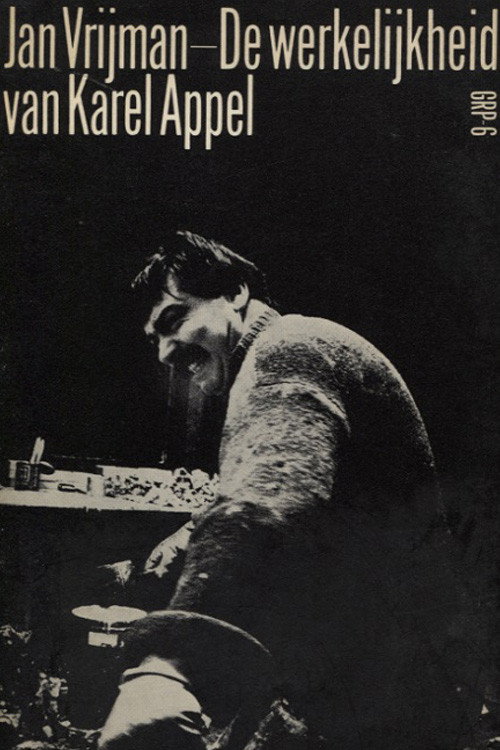
The Reality of Karel Appel
1962
No user ratings available yet
Representation score: 1.1 out of 10
No Poster Available
Representation Score
Fair
1990
KTDirector
Luc de Heusch
Runtime
52 minutes
Average Rating
No ratings yetNew Showbiz Analysis
Luc de Heusch’s documentary provides a subversive look at the life of James Ensor, moving away from traditional hagiography to highlight the artist's dysfunction. By focusing on a rebel who rejected conventional success, the film critiques institutional art history and the 'Great Master' mythos. However, the film’s progressive reach is limited by its narrow focus on a problematic male figure known for his misogyny. The narrative remains deeply rooted in a specific Western European context, lacking multi-layered breadth. Ultimately, while the film excels at deconstructing biographical structures, it fails to offer meaningful representation for underrepresented identities.
Category Breakdown
The film focuses on the life of James Ensor, with no explicit portrayal of LGBTQ+ identities or non-assuming gender matches what was assigned at birth character arcs.
The narrative centers on a male subject known for his misogynistic views and artistic rebellion, emphasizing the male experience and creative struggles.
Set in Ostend, Belgium, the film maintains a homogeneous Western European setting without diverse ethnic perspectives.
The film challenges traditional Western cultural institutions by focusing on a rebel artist who rejects conventional morality and success, prioritizing subjective morality over structured educational narratives.
The film touches upon mental health and creative impotence, exploring the complexities of the human psyche through a biographical lens.
Present on Screen
Limited or Absent
Official Synopsis
From the young Ensor, brilliant artist, rebel and relatively unknown, to the esteemed Baron Ensor, who only painted scenes in which he plagiarized himself, Luc de Heusch provides an interpretation of a man and an oeuvre. A Sunday musician, out-and-out misogynist, talented utterer of curses, lover of the mermaid, seller of beach souvenirs, he left dazzling drawings and major 20th century paintings. At the centre of the film is the creative impotence he experienced halfway through his life. The setting is Ostend, queen of beaches, the city that he never wanted to leave, and the North Sea, beautifully photographed. A film on art which provides outstanding answers to the following questions: how to film a scene, how to find a dramatic structure, how to avoid narratives being too educational. The scenes are shot in full screen: the film imposes its format of continuity and narration on the museological ‘framework’.
1962
2021
1948
1957
2009
1991
1969
2017
No reviews yet. Be the first to share your thoughts on this movie!
Use the rating form above to leave a star rating and optional review.