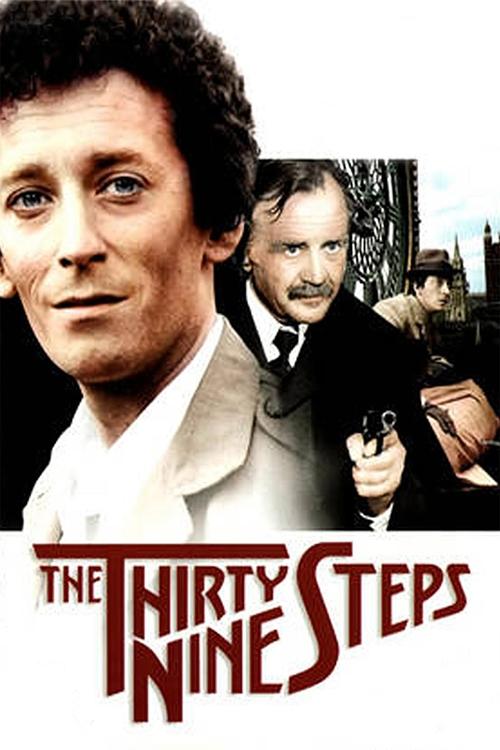
The Thirty Nine Steps
1978
No user ratings available yet
Diversity score: 1.4 out of 10

1948
Director
William A. Wellman
Runtime
87 minutes
Average Rating
No ratings yetSynopsis
The Iron Curtain is based on the actual 1945 case of Soviet cipher clerk Igor Gouzenko, (Dana Andrews), who, after careful training, was assigned to the U.S.S.R. Embassy in Ottawa, Canada in the midst of World War II. Eventually, Gouzenko defected with 109 pages of material implicating several high level Canadian officials, outlined the steps taken to secure information about the the details of the nuclear bomb via numerous sleeper cells established throughout North America. The scandal that resulted when details of this case were publicized by American columnist Drew Pearson in early 1946 involved Canada, Britain and the United States.
Overall Score
Limited
Category Breakdown
LGBTQ+ Representation
The film focuses entirely on geopolitical espionage and state secrets. There is no evidence of non-cisnormative identities or narratives addressing heteronormativity.
Gender Representation
Structural agency is concentrated in male characters, specifically the protagonist Igor Gouzenko. Women appear to occupy supporting roles within traditional mid-century gender hierarchies.
Racial & Ethnic Diversity
The narrative centers on a diplomatic conflict between Canada, Britain, and the United States. The cast likely reflects the homogeneous Western demographics of 1948.
Religious & Cultural Diversity
The story reinforces the importance of Western national security against ideological infiltration. It portrays the necessity of protecting Western institutions from perceived external subversion.
Disability Representation
No visible or invisible disabilities are integrated into the character arcs. Disability does not serve as a central plot device in this thriller.
Strengths
Areas for Improvement
AI Analysis
The Iron Curtain is a period-specific political thriller that prioritizes geopolitical tension and the preservation of institutional stability. It functions as a dramatization of the historical Gouzenko Affair, focusing on the mechanics of espionage and the disruption of state security. Because the film centers on state-level actors and the ideological divide of the early Cold War, it adheres to the traditional power dynamics of its era. The narrative architecture is designed to reinforce Western security frameworks rather than explore intersectional identities. Ultimately, the film reflects the social constraints and homogeneous demographics of 1948, resulting in a narrow focus on masculine-coded drama and established geopolitical tensions.
1978
1963
1944
1945
1950

1952
2017
1965
1943
1947
1981
1978
No reviews yet. Be the first to share your thoughts on this movie!
Use the rating form above to leave a star rating and optional review.