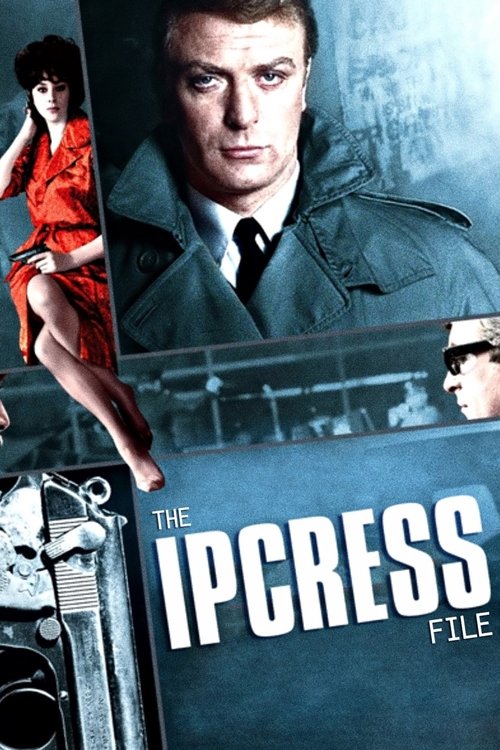
The Ipcress File
1965
No user ratings available yet
Representation score: 1.4 out of 10
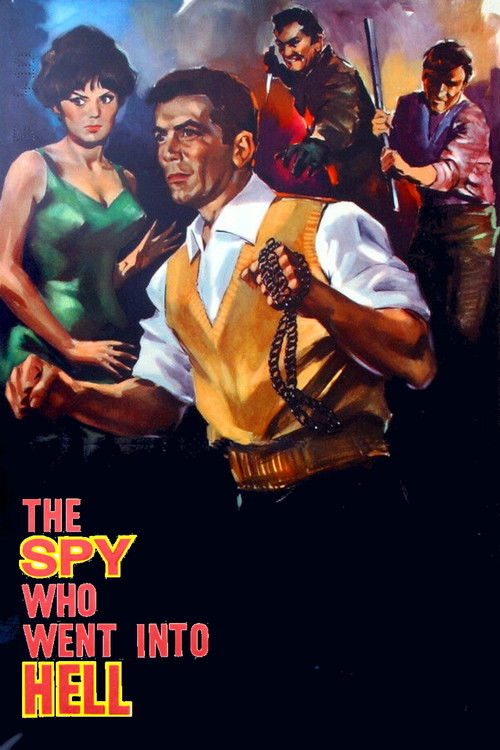
Representation Score
Minimal
1965
Director
Maurice Labro
Runtime
107 minutes
Average Rating
No ratings yetNew Showbiz Analysis
The Spy Who Went Into Hell is a traditional espionage thriller from the mid-1960s that sticks closely to the genre clichés of its time. The story revolves around institutional roles and traditional character types, reinforcing the geopolitical hierarchies of the 1960s. While the setting offers potential for cultural variety, the film maintains a Western-centric viewpoint. The central conflict between the CIA and KGB upholds patriotic values and national security interests rather than providing social critique. Overall, the film remains a standard genre piece without the necessary subversion of gender, race, or sexual orientation to move beyond the established cinematic conventions of the era.
Category Breakdown
The film does not include any LGBTQ+ characters or stories that challenge the assumption that everyone is straight. It follows the typical conventions of espionage movies from the 1960s.
The main character is a male CIA agent who drives the investigation. Women in the film play supporting or reactive roles within the military context.
Although set in Spain, the focus on a U.S. military base suggests a predominantly Western cast. The film reflects the homogeneous casting practices of 1960s action films.
The story focuses on Western institutional interests during the Cold War. It presents conflicts as a simple battle between opposing states without questioning them.
The film does not feature any characters with visible or invisible disabilities. There is no information about the portrayal of neurodivergence or physical impairments.
Present on Screen
Limited or Absent
Official Synopsis
CIA agent Jeff Larson is sent to investigate suspicious activities at a U.S. base located in southern Spain. He discovers the base is being heavily monitored by the KGB via hidden cameras and moles within the base, and he must find a way to ferret the traitors out whilst avoiding discovery of his investigation.
1965

1977
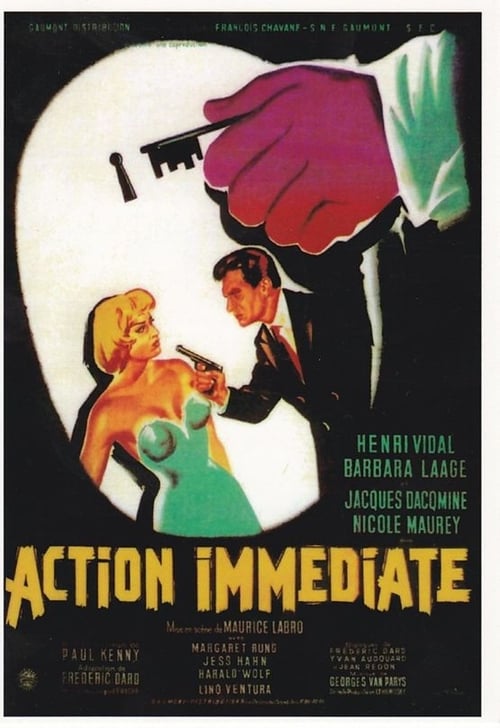
1957

1980
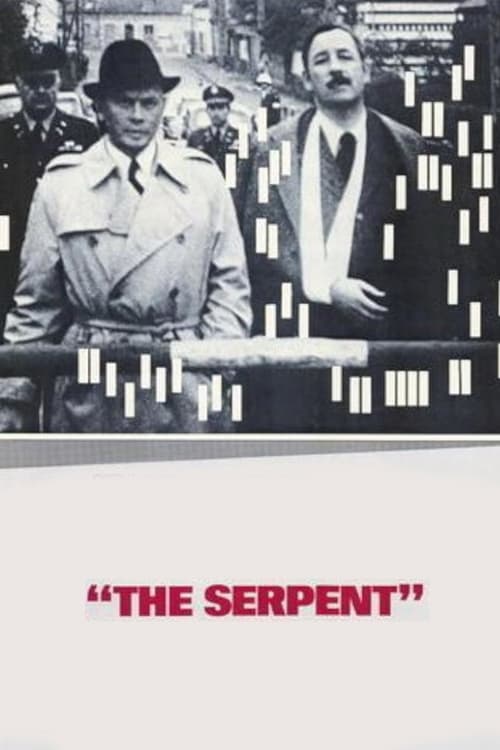
1973
1973
1966
1969
No reviews yet. Be the first to share your thoughts on this movie!
Use the rating form above to leave a star rating and optional review.