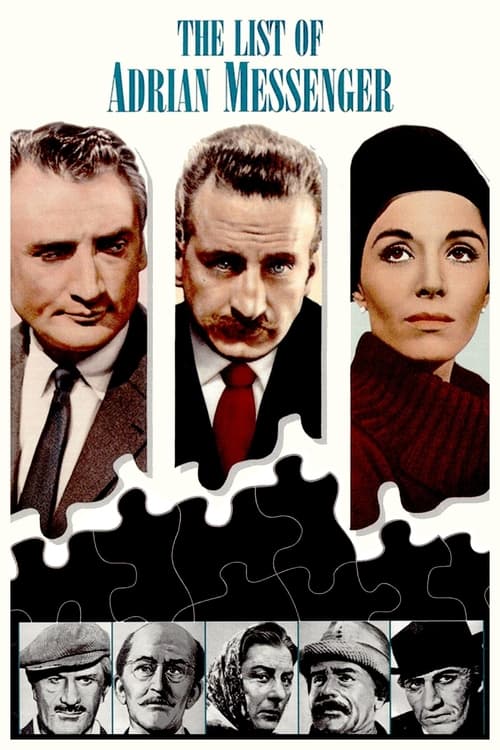
The List of Adrian Messenger
1963
No user ratings available yet
Representation score: 0.5 out of 10
Representation Score
Minimal
1963
NRDirector
Mark Robson
Runtime
134 minutes
Average Rating
No ratings yetNew Showbiz Analysis
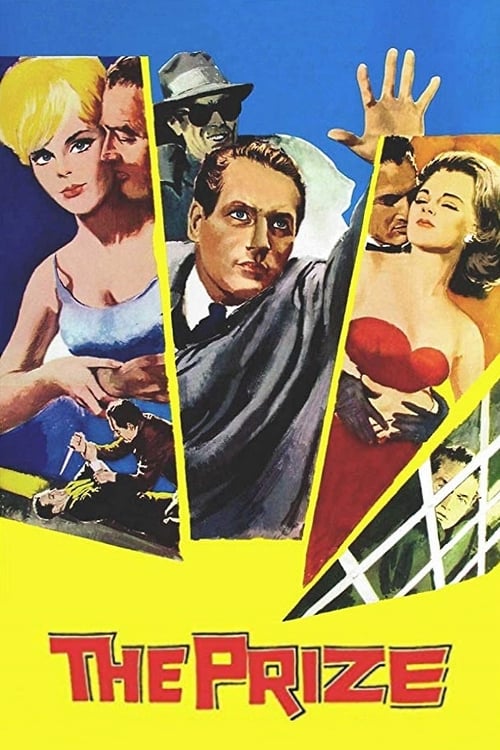
The Prize is a classic Cold War thriller that relies on established social hierarchies and Western-centric perspectives. It reinforces mid-century social norms rather than challenging them. The narrative is driven by male-centric archetypes and a homogeneous cast, which limits diverse perspectives.
Category Breakdown
The film focuses on Cold War geopolitical tensions and the personal vices of its protagonist. It does not include any non-assuming gender matches what was assigned at birth identities or same-sex intimacy.
Andrew Craig embodies traditional masculine roles, such as the troubled, womanizing genius. Female characters act as foils or chaperones but do not drive the plot.
The cast reflects the homogeneous demographics typical of mid-century Western cinema. The narrative centers on Western scientific and literary institutions without prioritizing non-white perspectives.
The story operates within Western institutional norms, using the prestige of the Nobel Prize as a backdrop. It upholds traditional morality rather than critiquing Western values.
There is no representation of physical, sensory, or neurodivergent disabilities. No characters navigate the world through the lens of disability.
Present on Screen
Limited or Absent
Official Synopsis
A group of Nobel laureates descends on Stockholm to accept their awards. Among them is American novelist Andrew Craig, a former literary luminary now writing pulp detective stories to earn a living. Craig, who is infamous for his drinking and womanizing, formulates a wild theory that physics prize winner Dr. Max Stratman has been replaced by an impostor, embroiling Craig and his chaperone in a Cold War kidnapping plot.
1963
1966
1967
1965

1952

1960
1978
1969
No reviews yet. Be the first to share your thoughts on this movie!
Use the rating form above to leave a star rating and optional review.