Agatha Christie's Seven Dials Mystery
1981
No user ratings available yet
Representation score: 3.9 out of 10
Representation Score
Limited
1978
Not RatedDirector
John Llewellyn Moxey
Runtime
83 minutes
Average Rating
No ratings yetNew Showbiz Analysis
The film adheres to the conventional political thriller frameworks of the late 1970s. It leans on established genre clichés rather than multi-layered storytelling. While the story critiques institutional transparency through its central mystery, it lacks demographic diversity. The narrative structure remains grounded in traditional power dynamics. Overall, the production reflects the era's preference for homogeneous casting and storytelling focused on straight relationships.
Category Breakdown
The film does not include explicit LGBTQ+ characters or narratives that question the assumption that everyone is straight or cisgender. The main storyline revolves around heterosexual relationships and espionage.
A female character plays a key role in unraveling the mystery, but her actions seem influenced by male power structures. The male protagonist leads the investigation.
The story focuses on U.S.-Soviet relations without showing a diverse cast. It seems centered on Western institutions and lacks varied backgrounds.
The film questions government truth by presenting it as dangerous and hidden. However, it follows typical espionage formulas without challenging traditional morality.
There are no characters with visible or invisible disabilities mentioned. There is also no information about neurodivergence or physical impairments.
Present on Screen
Limited or Absent
Official Synopsis
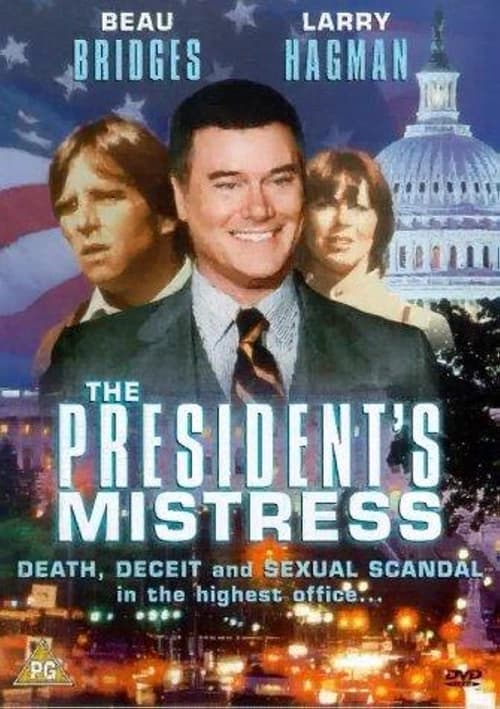
A government courier is caught in a deadly cover-up after discovering that his murdered sister was not only the mistress of a U.S. president, but also a Soviet spy.
1981
1983
1973

1979

1973
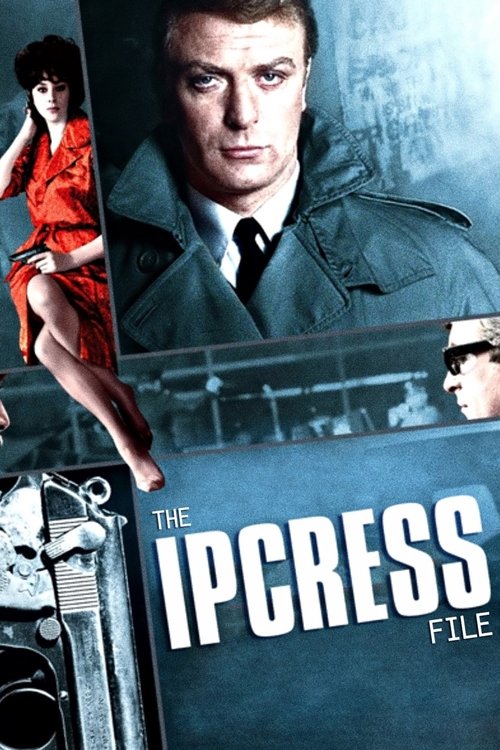
1965
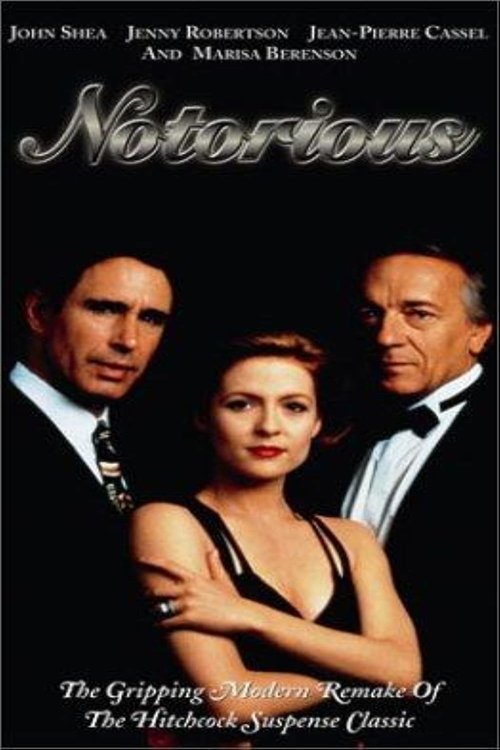
1992
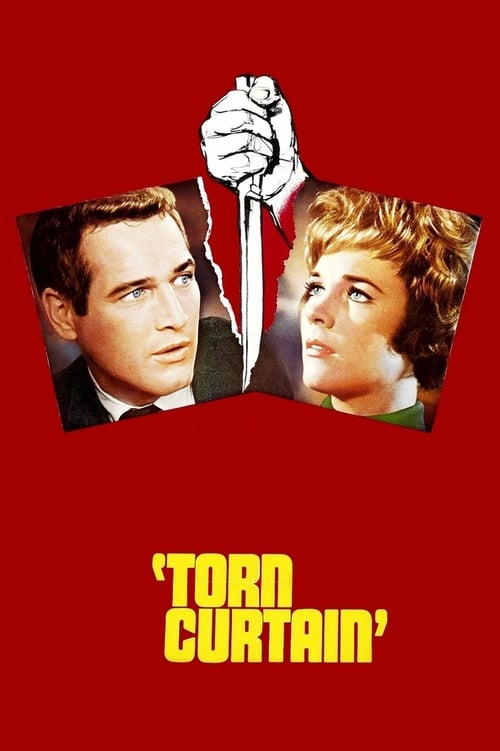
1966
No reviews yet. Be the first to share your thoughts on this movie!
Use the rating form above to leave a star rating and optional review.