Mallory
2015
No user ratings available yet
Representation score: 7.6 out of 10
Representation Score
Excellent
2013
Director
Juri Rechinsky
Runtime
75 minutes
Average Rating
No ratings yetNew Showbiz Analysis
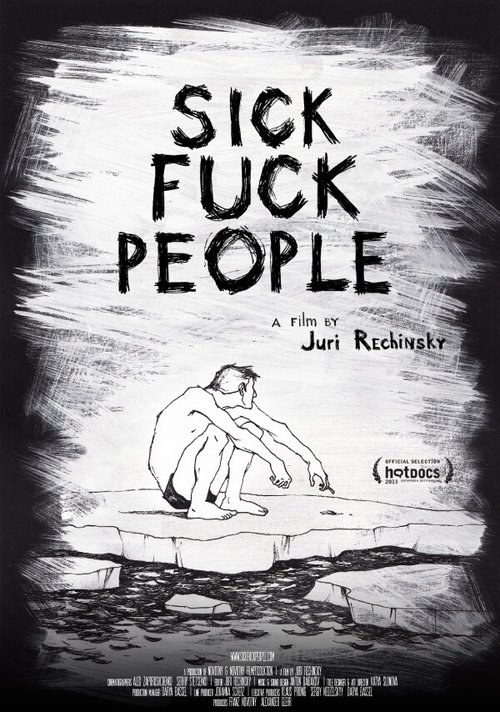
Sickfuckpeople is a raw documentary that focuses on the lived experiences of those on the fringes of society. It avoids sanitized portrayals, instead highlighting the cyclical nature of trauma and systemic failure within a degenerated village setting. The film excels at deconstructing traditional social safety nets. By focusing on the autonomy of women and the psychological scars of addiction, it moves beyond simple clichés to explore complex, uncomfortable realities of survival. However, the narrative remains largely centered on class and socio-economic status. While it critiques established institutions, it lacks explicit representation of specific LGBTQ+ identities or diverse racial demographics.
Category Breakdown
The film does not provide explicit details about LGBTQ+ identities or non-traditional gender expressions. There is no clear depiction of individuals taking control based on their queer identities.
The story emphasizes the role of women in challenging circumstances. It portrays a pregnant girl facing intense pressure to have an abortion, which challenges traditional maternalist views.
The setting focuses on socio-economically underrepresented populations within a local village. Identity is primarily defined through class and systemic exclusion of the homeless and addicted.
The film offers a critical view of traditional social structures. It portrays the family unit as a source of coercion and trauma rather than a supportive pillar.
The documentary examines the psychological impact of addiction and trauma. It provides a gritty look at the invisible disabilities resulting from substance-induced cognitive shifts and survival.
Present on Screen
Limited or Absent
Official Synopsis
A documentary triptych about a group of homeless kids, who have survived their drug-addicted childhood, grew up and started to live an adult life. It’s a story about a boy facing the surreal, degenerated society of his native village full of hate and sadistic anger while searching for his mother. It’s a story about a pregnant girl who wants to give birth to her child whose childhood will probably be even worse than hers. But her own sisters are forcing her to have an abortion.
2015
2000
2005
2004
2001
2009

2012
2010
No reviews yet. Be the first to share your thoughts on this movie!
Use the rating form above to leave a star rating and optional review.