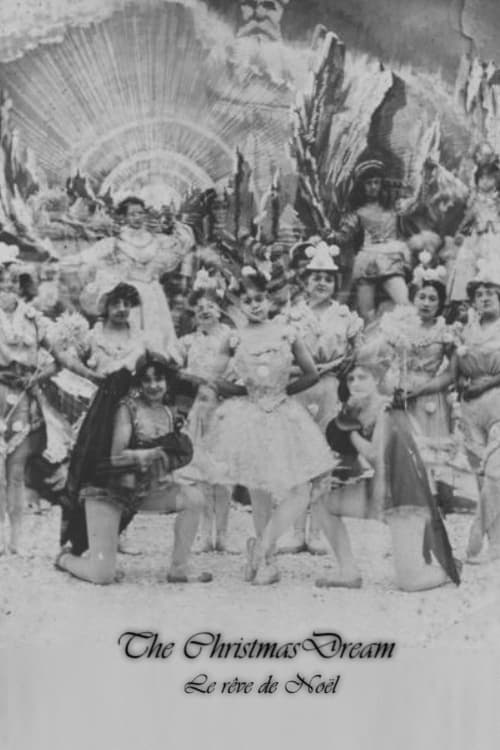
The Christmas Dream
1900
No user ratings available yet
Diversity score: 2.4 out of 10
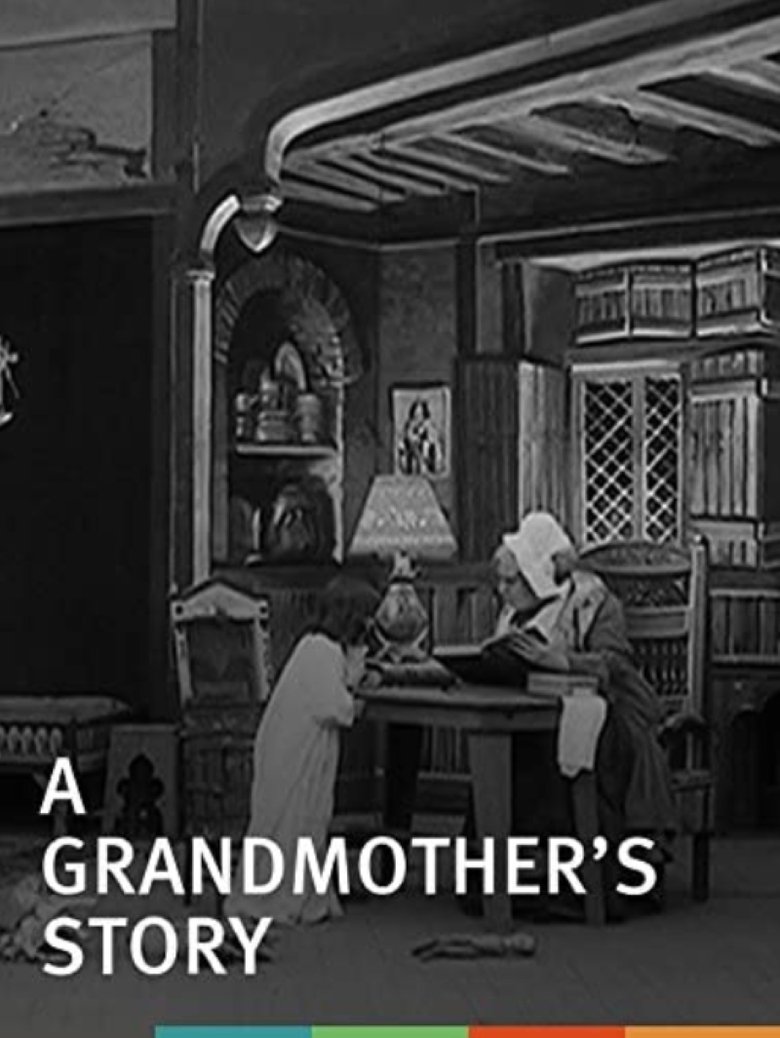
1908
Not RatedDirector
Georges Méliès
Runtime
5 minutes
Average Rating
No ratings yetSynopsis
The film begins with a grandmother reading a story to a small child (played by Georges Méliès's son, André) before tucking him into bed. No sooner has the mite fallen asleep than he begins dreaming of an angel standing over his bed and whisking him off to a land of giant toys. The kid wanders around for a bit before being led away by a lady who takes him to a forest where other young ladies dressed as butterflies dance around a bit.
Overall Score
Limited
Category Breakdown
LGBTQ+ Representation
The narrative focuses on a domestic scene between a grandmother and a child. There is no evidence of non-cisnormative identities or same-sex intimacy.
Gender Representation
Female figures, including a grandmother, an angel, and butterfly dancers, drive the plot. These characters possess the agency to guide the dreamer through the fantasy landscape.
Racial & Ethnic Diversity
The film offers no specific details regarding racial or ethnic composition. It likely reflects the homogeneous casting standards of 1908 French cinema.
Religious & Cultural Diversity
The film utilizes traditional oral storytelling and a whimsical, spiritualist aesthetic. It favors an imaginative, subjective truth over strict realism.
Disability Representation
There is no mention of characters with visible or invisible disabilities. No assessment can be made regarding the inclusion of neurodivergence or physical impairments.
Strengths
Areas for Improvement
AI Analysis
Georges Méliès uses this short film to explore the surrealist boundaries of the dream state. The narrative relies heavily on traditional archetypes, centering on female figures who act as guides through a fantastical realm. While the film lacks intersectional complexity, it succeeds in moving away from didactic moralizing. Instead, it prioritizes a fluid, internal reality through the eyes of a dreaming child. Ultimately, the work is a foundational exercise in fantasy that reflects the limited sociological frameworks of the early 20th century.
1900
1908
1904
1908
1908

1899
1897
1908
1899
1902
1903
1898
No reviews yet. Be the first to share your thoughts on this movie!
Use the rating form above to leave a star rating and optional review.