The Bewitched Inn
1897
No user ratings available yet
Representation score: 1.7 out of 10

Representation Score
Limited
1899
Director
Georges Méliès
Runtime
1 minutes
Average Rating
No ratings yetNew Showbiz Analysis
Méliès' work is a foundational piece of fantasy cinema that prioritizes visual spectacle and the subversion of physical laws. The narrative focuses on the interaction between humans and a sentient, changing environment rather than social commentary. The film lacks intentional representation that reflects multiple aspects of identity or the disruption of social hierarchies. It operates within the narrow, homogeneous social frameworks of the late 19th century. Ultimately, the film's significance lies in its cinematic artifice. It challenges the natural order through surrealism rather than through the exploration of diverse human identities.
Category Breakdown
The film shows a young couple engaged in a household ritual. This portrayal adheres to the heterosexual norms of the time, with no indication of characters who don't conform to their assigned gender at birth.
A traditional hierarchy is set up where a maid serves a young couple. Although the surreal environment disrupts domestic stability, the roles remain tied to the gender norms of the period.
The setting is a simple cottage with no specific mention of racial or ethnic identities. The work seems to reflect the homogeneous society of 1899 France.
The narrative centers on Western domestic life and the consumption of Scotch. It functions as a whimsical fantasy rather than a critique of cultural or social institutions.
There is no evidence of characters having visible or invisible disabilities within this brief cinematic work.
Present on Screen
Limited or Absent
Official Synopsis
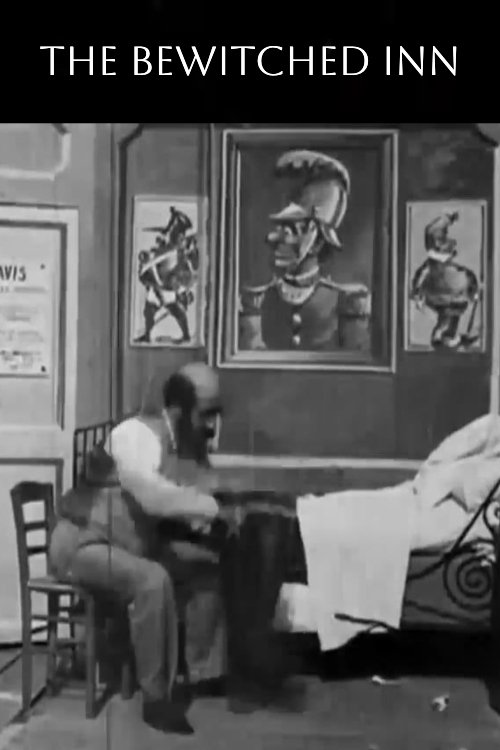
Showing the interior of a dining room of a modest cottage, whereto enter a young couple to partake in their meal, which is being served up by the maid. Suddenly the legs of the table are extended to three times their height; the dinner being elevated to this extent; in order to reach same they climb into the chairs. The table suddenly vanishes, but makes its appearance in another section of the room. It is practically a chase between them and the table, this finally disappearing altogether, and in its place is seen a gigantic bottle of "Scotch." Further surprising tricks are introduced, making this subject one of unusual interest. (Selig Catalog)
1897
1903
1902
1905
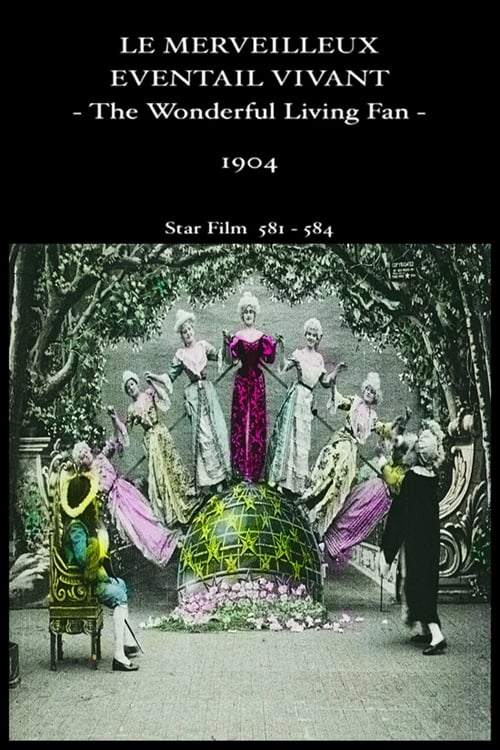
1904
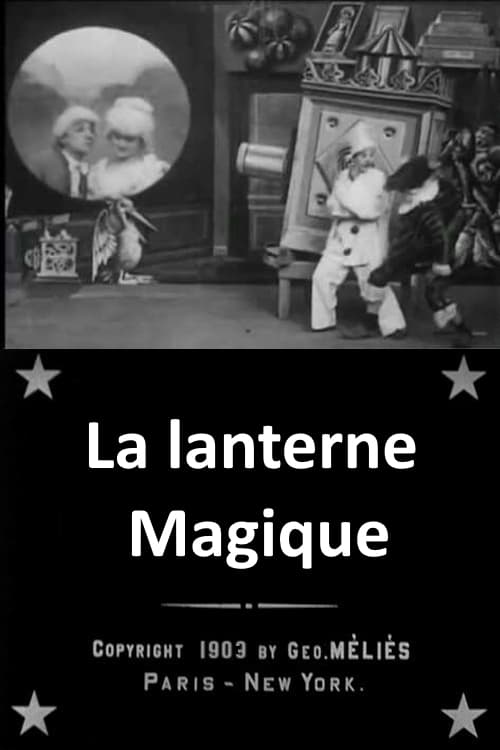
1903
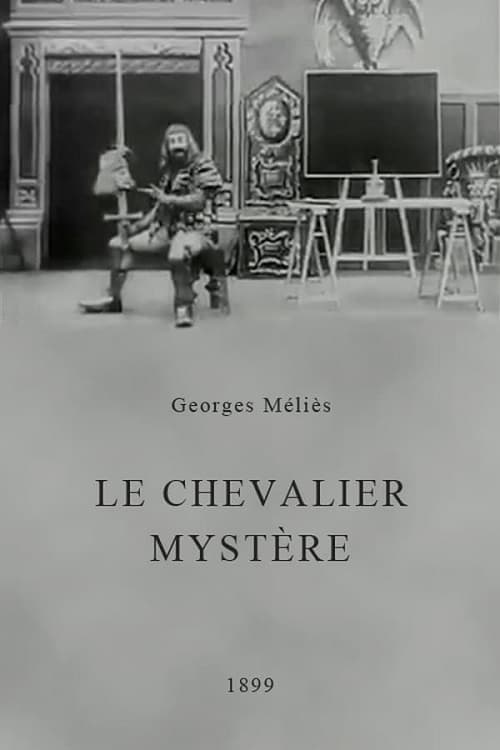
1899
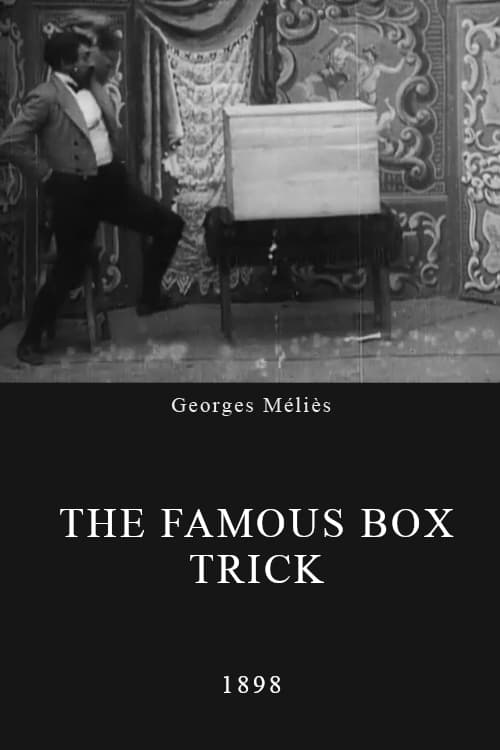
1898
No reviews yet. Be the first to share your thoughts on this movie!
Use the rating form above to leave a star rating and optional review.