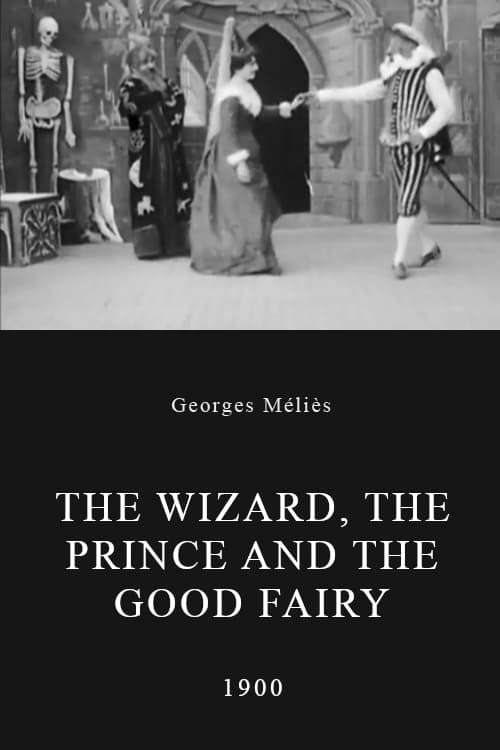
The Wizard, the Prince and the Good Fairy
1900
No user ratings available yet
Representation score: 1.6 out of 10
Representation Score
Limited
1908
Director
Georges Méliès
Runtime
14 minutes
Average Rating
No ratings yetNew Showbiz Analysis
Georges Méliès uses fantasy to disrupt reality, providing a historical precedent for imaginative storytelling. While the film lacks modern multi-layered depth, it centers its conflict on women's ability to drive the story through the shepherdess, the princess, and the intervening fairy. However, the film is limited by the era's constraints. The casting appears homogeneous, and the characterization of the princess may lean into traditional gendered clichés. Ultimately, the work functions as a moralistic fable, replacing institutional justice with a subjective, magical morality driven by supernatural female entities.
Category Breakdown
The film follows a traditional fairy-tale structure centered on binary archetypes. There is no evidence of LGBTQ+ characters or critiques of the assumption that everyone is straight or cisgender.
The story centers on two female figures: a shepherdess and a princess. A female fairy acts as the primary agent of justice and moral authority.
The film lacks evidence of racial or ethnic diversity. It likely reflects the homogeneous casting standards typical of early European silent cinema.
The narrative uses a moralistic folklore framework. Justice is delivered through magical retribution rather than strict religious or institutional dogma.
There is no evidence of characters with visible or invisible disabilities within the film's narrative or historical record.
Present on Screen
Limited or Absent
Official Synopsis
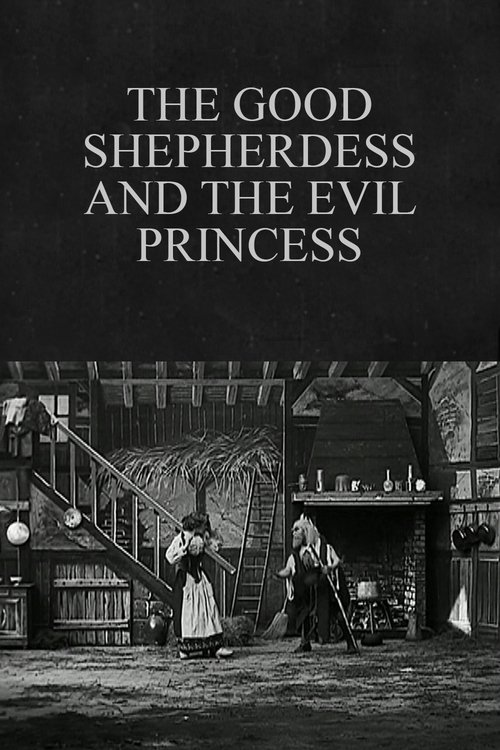
A good shepherdess is persecuted by an evil, tantrum-throwing princess. A good fairy decides to intervene, and dishes out quite a bit of retribution.
1900

1973
1906
1903
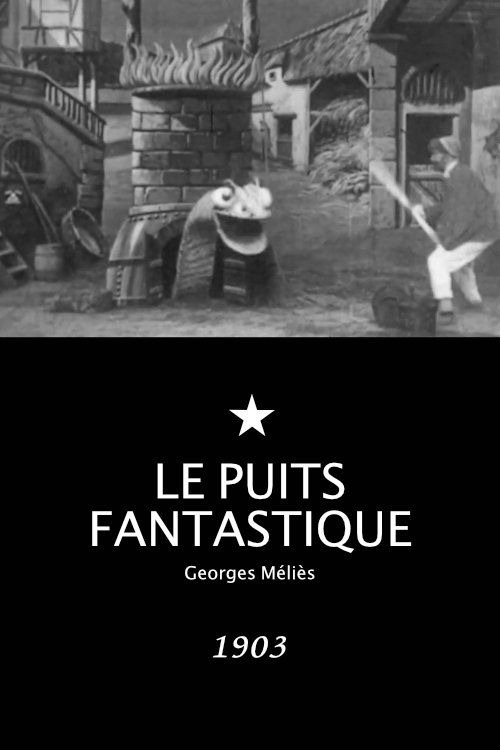
1903
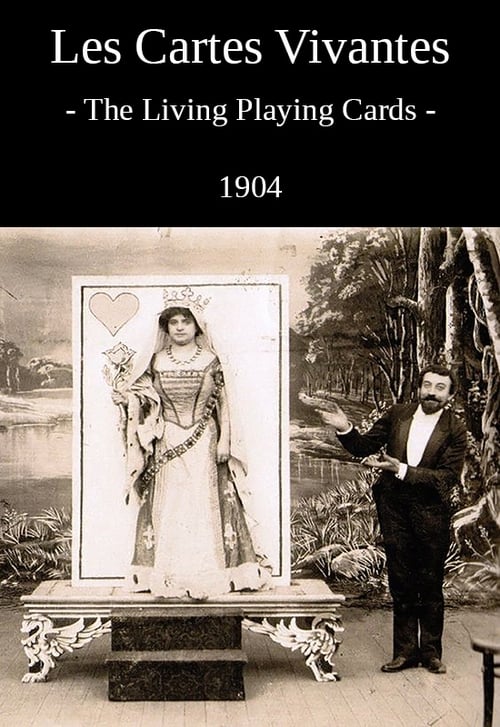
1905
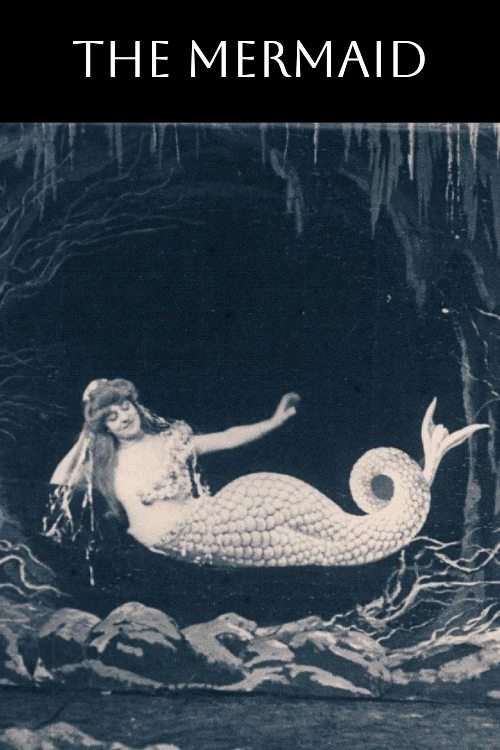
1904
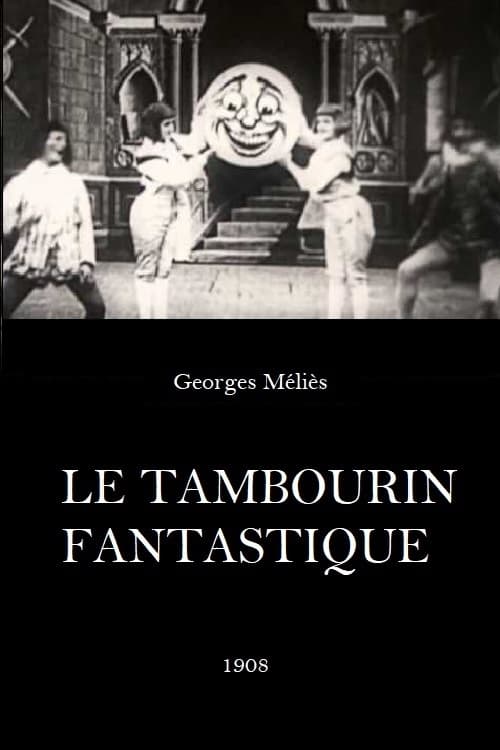
1907
No reviews yet. Be the first to share your thoughts on this movie!
Use the rating form above to leave a star rating and optional review.